
Online visibility is vital for e-commerce success, but not all traffic delivers value. Many Australian online stores see peaks in visits without a matching rise in sales. That’s because attracting clicks is only half the battle; converting those visitors into customers requires intentional search engine optimisation that aligns with how buyers actually search and make purchasing decisions. Sustainable growth comes from SEO techniques that bring high-intent visitors ready to buy, not just browsers.
SEO Techniques That Actually Work
A well-executed SEO strategy starts with understanding what customers are searching for and why. Keyword research isn’t about chasing the most popular terms; it’s about identifying phrases that signal purchase intent and matching those with the right pages on your e-commerce site.
1) Transactional and commercial keywords, for example, terms buyers use when ready to purchase, should guide product and category optimisation so your pages are shown at the moments customers are most likely to convert. Long-tail keywords often deliver higher conversion rates because they reflect specific buying intent rather than broad interest.
2) On-page optimisation is another foundational technique. Every product and category page needs unique titles, meta descriptions, SEO-friendly URLs and structured content that clearly tells search engines what each page offers. Optimising image alt text, using descriptive headers and incorporating schema markup can improve visibility and encourage higher click-through rates from search results by making listings more informative and relevant.
3) Technical SEO ensures that search engines can actually crawl and index your site effectively. This includes improving site speed, fixing broken links and duplicate content issues, ensuring mobile responsiveness, and optimising XML sitemaps. Google’s algorithms factor in page performance and technical health, meaning even the best content won’t rank if the site structure prevents proper indexing or if pages load slowly.
4) Content aligned with the buyer journey amplifies organic traffic and signals relevance to search engines. Blog posts, buying guides, comparison articles and FAQ pages that address customer questions help capture research-phase traffic and nurture potential buyers toward conversion. These informational assets also support internal linking strategies that guide users deeper into relevant product pages. Fresh, useful content builds domain authority and encourages other sites to link back, further boosting rankings.
5) Internal linking is a proven but often overlooked technique. By linking related products and relevant content within your site, you help search engines discover and prioritise important pages, while also improving user navigation. A logical architecture that reflects how customers browse helps search engines see your e-commerce store as a cohesive, valuable resource, which improves rankings and enhances engagement.
Search Intent Optimisation: Matching Pages to Buyer Needs
A critical part of e-commerce SEO is connecting the right pages to the right search intent. Search intent means what the user is trying to achieve: finding information, comparing options, or is ready to buy. When pages are optimised for transactional and commercial keywords, terms like “buy”, “order”, “discount” and “deal”, combined with product terms, you attract visitors who are much closer to purchase. Transactional keywords are more likely to lead to conversions because they reflect a buyer’s readiness to act.
Short-tail, high-volume keywords may bring visibility but often attract users who are still browsing. Long-tail, specific terms often signal precise intent, making them especially valuable for e-commerce. For example, an online store selling hiking gear might prioritise “buy men’s waterproof hiking boots size 11” over a broad term like “hiking boots”. This focused approach helps the store reach customers who are already in buying mode.
Why Traffic Alone Isn’t Enough
Many online stores mistakenly equate high traffic with marketing success. But a website that ranks for generic terms may attract clicks that don’t convert. Traffic without conversion-focused optimisation leads to poor returns on SEO investment. Customers who are just browsing or in the early stages of research are less valuable than those ready to make a purchase. That’s why your SEO strategy must prioritise keywords and pages that attract buyers, not just browsers.
Equally important is the user experience once visitors arrive. If product pages load slowly, are difficult to navigate, or lack clear calls to action, even high-intent customers may leave without purchasing. SEO and UX optimisation should work hand in hand, improving visibility and ensuring that when customers land on your site, they can find and buy products easily.
Role of Professionals in Driving Revenue Through SEO
Given the technical and strategic depth of modern e-commerce SEO, many Australian online stores benefit from partnering with a Marketing agency Sydney that specialises in SEO for e-commerce. Experienced professionals bring the insights and tools necessary to identify high-value keyword opportunities, optimise site performance, fix technical issues and align content with buyer intent.
A specialised agency doesn’t just focus on rankings for broad search terms that inflate traffic figures. Instead, they prioritise strategies that impact revenue metrics such as organic conversions, average order value and customer lifetime value. This results-focused approach helps your SEO efforts translate into tangible business growth rather than vanity metrics that look good but don’t move the needle.
Professionals also help you stay current with evolving search engine algorithms and e-commerce trends, ensuring your strategy continues to perform in the competitive online marketplace of 2026.
Conclusion
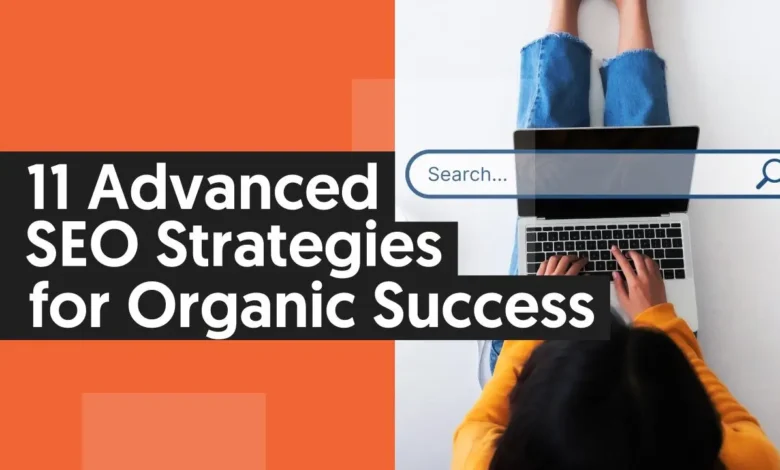
Effective SEO for online stores in 2026 is no longer about keyword stuffing or trying every new tactic that comes along. It’s about understanding search intent, optimising every aspect of your e-commerce site, from technical health to content that matches each stage of the buyer journey, and focusing on visitors who are ready to convert.
SEO techniques that consistently drive high-intent traffic include thorough keyword research, clean site architecture, conversion-aligned content, structured data implementation and ongoing performance tracking. These techniques help search engines understand your site and help customers find and choose your products.
Partnering with a Marketing agency in Sydney experienced in e-commerce SEO can elevate your strategy, ensuring that your online store not only ranks well but also reaches customers who are ready to act. Sustainable SEO is about more than traffic; it’s about growth that lasts.
FAQs
What’s the difference between SEO and paid ads for online stores?
SEO drives organic visibility without paying for each click, whereas paid ads provide immediate visibility but require ongoing investment. SEO builds longer-term traffic that continues without ongoing ad spend.
How long does it take to see SEO results for an online store?
It varies, but most ecommerce SEO strategies begin showing measurable improvements within 3–6 months, with stronger gains over time as authority and content depth grow.
Should I focus on short-tail or long-tail keywords?
Both are useful, but long-tail keywords often convert better because they reflect specific buying intent, leading to higher conversion rates.
What is technical SEO, and why does it matter for e-commerce?
Technical SEO ensures search engines can crawl and index your site properly, while improving performance, mobile usability and site architecture, all essential for e-commerce success.