From Construction Sites to Manufacturing Plants: Building an Efficient Scrap Metal Management Workflow

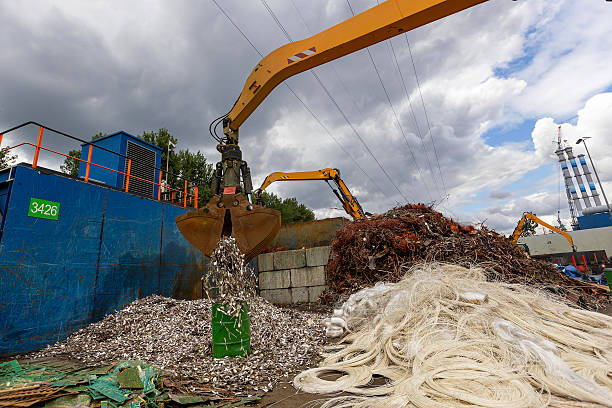
Metal waste builds up fast on active commercial sites. Whether it’s cut-off steel on a construction floor or aluminium trimming from a manufacturing line, what starts as a manageable pile can quickly become a real operational problem. Sites that don’t address this early often find themselves dealing with congestion, safety risks, and recovery value that quietly disappears over time.
Managing scrap metal effectively isn’t something that happens by accident. It takes a deliberate approach to collection, segregation, and scheduling that fits the pace of your operation. Sites that treat metal waste as an afterthought tend to carry the cost in ways that aren’t always measured directly, including lost floor space, slower workflows, and material value that slips away before anyone notices. Getting ahead of this takes structure.
Where Metal Waste Actually Originates
Construction and Demolition Output: Construction and demolition environments are among the highest generators of metal waste in any commercial context. Steel reinforcement off-cuts, copper wiring remnants, and structural aluminium pieces accumulate rapidly during active builds. Without a plan to capture and store these materials separately, they tend to get mixed in with general waste, which reduces recovery value significantly and creates sorting problems later.
Manufacturing Floors and Process Waste: Manufacturing plants produce a different kind of metal waste but face the same core challenge. Punching, cutting, and forming processes generate ferrous metals off-cuts and swarf that pile up quickly around workstations. When collection points aren’t close to generation sources, workers either pile materials in makeshift locations or leave them where they fall, both of which create clutter and slow the broader workflow considerably.
Smarter Bin Placement Changes More Than You Think
Positioning Bins at the Point of Generation: One of the most overlooked aspects of scrap management is where bins and skips are actually placed. If collection points are too far from where metal is generated, workers simply won’t use them consistently. Placing dedicated containers directly at cutting stations, demolition zones, or off-cut areas makes consistent sorting far more likely, and that consistency drives both safety and recovery outcomes across the site.
Practical placement and segregation principles worth applying on your site:
- Place dedicated metal bins within five metres of primary generation points to reduce handling time and discourage improper disposal.
- Separate ferrous and non-ferrous materials at the source, as mixed loads often attract lower recovery rates and create additional sorting costs.
- Label all containers clearly with metal type and acceptable materials to prevent contamination from general waste.
- Schedule bin inspections regularly so overflowing containers don’t create spill hazards or block emergency access routes on site.
- Communicate collection schedules to all relevant team members so metal waste doesn’t sit unmanaged between pickup appointments.
Segregation as a Cost-Recovery Strategy: Separating metal types from the outset isn’t just about tidiness. Mixed loads of scrap are harder to process and often attract lower rates from recyclers. Sites that approach material recovery as a strategic priority, rather than an afterthought, tend to see better financial returns and fewer complications when scheduled pickups occur. That shift in mindset is often what separates a functional scrap program from a costly one.
When Pickup Delays Become an Operational Problem
The Real Cost of Accumulated Metal on Site: When scrap sits on-site longer than it should, it doesn’t just take up space. It creates genuine safety risks, disrupts movement through the facility, and affects how workers navigate the broader area. In construction zones particularly, loose metal near active work areas increases the chance of injury. Regular, reliable pickup is what keeps these problems from building into something far more disruptive.
Scheduling Pickups Around Your Workflow: The best scrap management systems are built around predictable collection schedules that align with operational peaks. Facilities that book collections in advance, rather than calling when things are already overflowing, maintain far better control over floor space and safety standards. Perhaps more importantly, consistent scheduling allows site managers to plan around collections rather than scrambling to clear space at short notice.
Choosing the Right Commercial Collection Partner: Not every scrap collection service is set up to handle the volume and frequency that active commercial sites require. Facilities with regular, high-volume metal waste output need a collection partner that can match their pace and accommodate site-specific logistics. Large commercial operations benefit from working with providers that offer scheduled, bulk pickups without disrupting active site operations or requiring staff to manage the process themselves.
When Structure Turns Scrap Into a Site Advantage
Workflow Benefits That Go Beyond the Obvious: A well-designed scrap workflow doesn’t just manage waste. It actively improves site operations by keeping work areas clear, reducing the time spent moving materials, and creating predictable collection cycles that staff can plan around. Sites that invest in structured scrap workflows often find that safety incidents decrease, throughput improves, and the overall site environment becomes far easier to manage and inspect on an ongoing basis.
Cost Recovery as a Measurable Business Outcome: Scrap metal has real, measurable value, and sites that manage it properly recover more of it. The difference between a site that segregates materials carefully and one that doesn’t can be significant when multiplied across months of operation. Commercial facilities that treat scrap collection as part of their broader operational plan tend to recover more value per tonne and avoid hidden costs that come with poor handling practices.
Turn Scrap Into a Competitive Edge Starting Now
If your site is generating metal waste and managing it reactively, the time to change that approach is now. A structured collection program, proper bin placement, and reliable pickup scheduling can meaningfully reduce operational friction while recovering value from materials that would otherwise be lost. Reach out to a professional commercial scrap metal collection service to build a workflow that fits your site’s specific operational needs.