

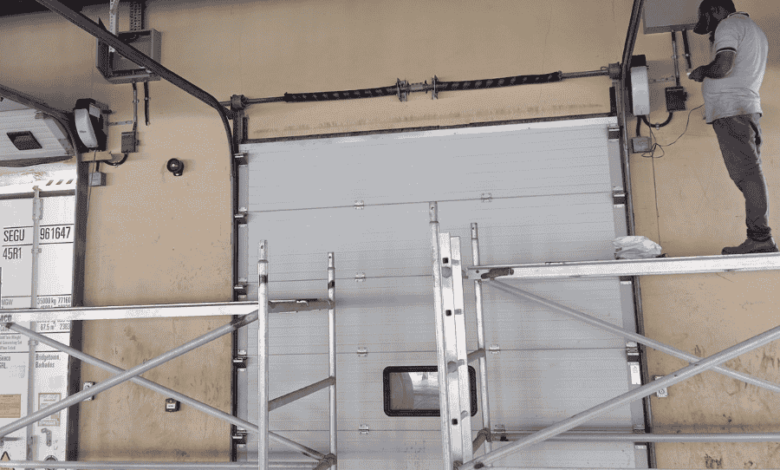
(And When to Handle It Yourself)
Your garage door is a piece of heavy machinery that lifts a weight equivalent to a small car multiple times a day. That’s why problems aren’t something you should ignore. If you’re dealing with a garage door that won’t open, makes strange noises, or moves more slowly than usual, you’re not alone, and knowing the difference between a quick fix and a job for professionals could save you money and keep you safe.
Here are the most common garage door problems Australian homeowners face, what causes them, and whether you can tackle the fix yourself or need expert help.
1. Door Won’t Open or Close
What you’ll notice: Your garage door simply refuses to budge when you press the remote or wall button.
Why it happens: A few culprits could be at play. The most common cause is a misaligned safety sensor that small device near the bottom of the door frame that detects obstacles. Power issues, a dead remote battery, or a broken track can also prevent movement.
DIY fix (if safe): First, check the sensors. They’re usually near the ground on both sides of the door. If they’re dirty, dust them with a soft cloth. If the light on the opener is blinking, the sensors need realignment you can adjust them slightly, but if that doesn’t work, it’s time to call someone. Test the remote battery too; it’s the simplest fix of all.
When to call a pro: If the sensors are clean and the remote battery is fresh but the door still won’t move, you’ve likely got a problem with the opener motor or track alignment. That requires professional diagnosis.
2. Broken or Worn Springs
What you’ll notice: Your door feels heavier than usual, opens partway and stops, or slams shut on its own.
Why it happens: Garage door springs are under intense tension and are the first thing to wear out. Most springs last 7–10 years depending on how often you use the door. When they break, the entire weight of the door usually 200–500 kg falls onto the opener motor.
DIY fix: There is none. Don’t attempt to replace or adjust springs yourself. These are high-tension components that can cause serious injury if they fail while you’re working on them. Springs are genuinely dangerous.
When to call a pro: Immediately. A broken spring is an urgent repair. Many Perth homeowners don’t realise that broken springs are the most common reason doors get stuck. This is the job that justifies a 24/7 emergency call to a professional. Garage door repair specialists in Perth often handle spring replacements as same-day emergency repairs because homeowners can’t use their doors safely without them.
3. Remote Control Not Responding
What you’ll notice: Your remote buttons don’t work, even from close range.
Why it happens: Dead batteries are the number-one culprit here. Sometimes the remote antenna on the opener gets bent, or dirt builds up on the remote’s button contacts.
DIY fix: Replace the batteries first. If that doesn’t work, try reprogramming the remote by holding the button while pressing the opener’s “learn” button (check your manual for exact steps). Clean the remote’s button contacts gently with a pencil eraser.
When to call a pro: If the above steps don’t work, the opener’s receiver might be faulty. A technician can diagnose whether it’s the remote itself or the opener that needs repair.
4. Noisy or Unusual Sounds
What you’ll notice: Your door grinds, squeaks, rattles, or makes high-pitched noises when opening or closing.
Why it happens: Worn rollers, loose bolts, dry hinges, or misaligned tracks all create noise. Sometimes it’s just a buildup of dirt or rust on the tracks.
DIY fix: Tighten bolts with a wrench (look where the door meets the frame and at roller brackets). Lubricate the rollers, hinges, and track with a silicone-based garage door lubricant not WD-40, which attracts dirt. Clean the tracks with a damp cloth to remove debris.
When to call a pro: If noise persists after tightening and lubricating, you may have misaligned tracks or damaged rollers that need professional adjustment. Rollers typically last 7–12 years and can be replaced during a service visit.
5. Door Moves Slowly or Gets Stuck Partway
What you’ll notice: The door opens or closes at a noticeably slow pace or stops mid-movement.
Why it happens: Dry or dirty tracks, weak springs, or a struggling opener motor all slow things down. If the door stops partway, it’s often a balance issue the springs aren’t sharing the weight evenly with the motor.
DIY fix: Clean and lubricate the tracks thoroughly. Check that the door isn’t blocked by debris. These simple steps often restore normal speed.
When to call a pro: If the door is still slow or stops after cleaning and lubricating, spring tension may need adjustment or the opener motor may be losing power. Both require professional calibration.
6. Safety Sensors Not Aligned
What you’ll notice: The door closes partway and automatically reopens, or you see a blinking light on the opener.
Why it happens: The safety sensors (photo-eyes) on both sides of the door detect obstacles to prevent injury. If they’re not aligned or are blocked, the door won’t close.
DIY fix: Check that nothing is blocking the sensor beams (leaves, cobwebs, dirt). Clean the lens on both sensors with a soft cloth. Gently adjust the sensor bracket until the blinking light stops or the door closes smoothly. It’s usually a small turn.
When to call a pro: If alignment doesn’t solve it, the sensor itself might be damaged or the wiring could be faulty. A technician has the tools to diagnose and repair this quickly.
7. Door Is Uneven or Crooked
What you’ll notice: One side of the door hangs lower than the other, or the door is visibly misaligned in the frame.
Why it happens: Broken springs, worn rollers, or bent tracks cause uneven weight distribution. The door frame itself may have shifted due to settling in the building.
DIY fix: Don’t attempt to adjust this. An uneven door is a safety risk and a sign of serious wear.
When to call a pro: Call immediately. An uneven door is difficult to repair safely without the right equipment, and it puts strain on the opener motor. It’s a job for professionals who can diagnose whether springs, rollers, or the frame itself needs repair.
8. Opener Motor Makes Noise But Door Doesn’t Move
What you’ll notice: You hear the motor running, but the door stays still.
Why it happens: The motor is trying to operate, but something’s stopping it. Often it’s a broken spring, stripped gears inside the opener, or a chain/belt that’s come off track.
DIY fix: None this one requires professional tools to diagnose. Don’t force the door manually, as that could make damage worse.
When to call a pro: The opener motor or drive mechanism may need replacement. This is a moderately expensive repair but essential for restoring function.
9. Door Off Track
What you’ll notice: The door is visibly misaligned; one side sticks out or the door won’t close flush.
Why it happens: A bump, collision, or bent track can knock the door off its guides. Worn rollers sometimes slip out of the track.
DIY fix: Stop using the door immediately. Don’t try to force it closed or reposition it yourself.
When to call a pro: This is a safety priority. Off-track doors are unstable and can fall unexpectedly, causing injury or property damage. A technician will realign the track and check for bent components that need replacement.
10. Strange Smells or Signs of Rust
What you’ll notice: Rust spots on the door or visible corrosion on springs and hardware; sometimes a burnt or metallic smell.
Why it happens: In Perth’s climate, humidity and salt air can accelerate rust. A burnt smell usually indicates an overworked motor or electrical issue.
DIY fix: Light surface rust can be cleaned with a cloth and light oil, then painted over. But if rust is deep or the smell suggests electrical trouble, professional help is necessary.
When to call a pro: Significant rust weakens the door structure and springs. A technician can assess whether components need replacement or if the entire door should be upgraded to prevent future rust issues.
When to Schedule Maintenance (Instead of Waiting for Emergencies)
Smart homeowners don’t wait for problems. A simple maintenance routine keeps your door running smoothly and catches small issues before they become expensive ones.
Do this twice a year:
- Clean and lubricate the tracks and rollers
- Tighten bolts around brackets and hinges
- Check alignment of safety sensors
- Inspect springs and hardware for visible wear
- Listen for unusual sounds during operation
A professional maintenance visit costs less than a single emergency repair and extends your door’s lifespan by years.
Final Thought
Garage door repairs fall into two camps: the ones you can handle in 10 minutes with a cloth and lubricant, and the ones that genuinely require professional expertise. Springs, alignment, and motor issues aren’t areas to experiment with. The cost of a professional repair is worth the safety and peace of mind it brings.
If you’re unsure whether a problem is DIY-friendly, err on the side of calling a professional. A quick diagnostic phone call costs nothing and tells you exactly what you’re dealing with.
FAQ Section
Q: How much does it cost to repair a garage door in Perth? A: Costs vary widely depending on the problem. Simple fixes like lubricating tracks might be free if you do it yourself. Professional repairs typically range from $150 for a sensor alignment to $500+ for spring replacement. Emergency after-hours calls usually include a call-out fee. Contact a local technician for a quote specific to your issue.
Q: Can I replace a garage door spring myself? A: No. Garage door springs are high-tension components that can cause serious injury or death if they fail while you’re working. This is a job for licensed professionals only.
Q: How often should I service my garage door? A: A professional maintenance visit once or twice a year keeps things running smoothly. Many homeowners also perform basic lubrication and cleaning quarterly.
Q: What’s that blinking light on my opener? A: It usually means the safety sensors are misaligned. Clean the sensor lenses and adjust them slightly until the light stops blinking. If it persists, call a technician.
Q: Is a 24/7 emergency garage door repair service worth it? A: Yes, if you’re locked out or dealing with a safety issue like an off-track door or broken spring. Emergency repairs cost more than standard service, but being unable to use your garage or secure your home is often worth the premium.
Q: How long do garage door springs last? A: Typically 7–10 years depending on use. Springs that operate 5–10 times daily wear out faster than those used less frequently. Many modern openers have a cycle counter that helps predict spring failure.
Garage Door Guys Perth
100 Havelock St, West Perth WA 6005 (No public reception)
Phone: 08-7665-9586
Technicians on call 24\7\365
Info@perthgaragedoorrepairs.com.au