

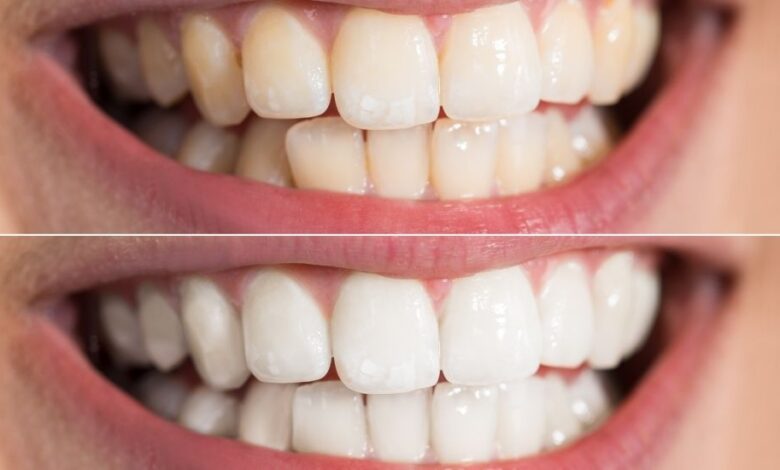
Many people invest time and money into whitening their teeth only to feel disappointed a few weeks later. The brightness fades, yellow tones slowly return, and the smile that looked dramatically whiter after treatment starts to look almost the same as before.
This experience is extremely common. One of the biggest misunderstandings about teeth whitening treatment is the expectation that results should last indefinitely. In reality, whitening is not permanent. Teeth naturally pick up new stains over time, and everyday habits play a major role in how quickly those stains return.
Understanding how whitening works, why results fade, and how proper maintenance should be managed can help people achieve longer-lasting results without damaging their enamel.
The Frustration of Fading Results Within Weeks
For many people, whitening initially produces noticeable improvements. Teeth can appear several shades brighter immediately after treatment. However, within a few weeks or months, the colour often begins to dull again.
This does not mean the treatment failed. Teeth are constantly exposed to staining substances such as coffee, tea, wine, tobacco, and certain foods. These substances contain pigments that attach to enamel and gradually darken its appearance.
Even after whitening, teeth remain vulnerable to these staining compounds. Without proper aftercare, new stains can begin forming quickly. This is why whitening should be seen as an ongoing process rather than a one-time fix.
How Whitening Actually Works and Why It Is Not Permanent
Professional whitening treatments use bleaching agents such as hydrogen peroxide or carbamide peroxide. These compounds penetrate the enamel and break down stain molecules inside the tooth structure, making teeth appear lighter.
However, the treatment does not permanently change the tooth. It removes existing stains, but it does not prevent new ones from forming. Over time, pigments from daily habits begin attaching to enamel again, gradually reducing brightness.
This explains why long-term results depend more on maintenance than on the treatment itself.
Daily Habits That Affect How Fast Whitening Fades
Lifestyle choices play a major role in how long whitening results last. Regular consumption of coffee, tea, red wine, and dark-coloured foods increases the risk of staining.
Smoking or vaping can also accelerate discolouration due to nicotine and tar deposits. Acidic drinks such as soft drinks and citrus beverages may weaken enamel, making it easier for stains to develop.
Frequency is just as important as quantity. Occasional exposure may have minimal impact, but daily habits significantly increase the rate at which stains return.
Why Overusing Whitening Can Cause Problems
Some people try to maintain results by whitening too frequently. This approach can damage enamel and increase sensitivity.
Excessive whitening can lead to uneven colour or dull-looking teeth. On the other hand, some people avoid follow-up treatments entirely and expect results to last forever.
The best approach lies in balance. Whitening should be done according to a structured plan recommended by a dental professional.
What a Proper Whitening Plan Should Include
A well-structured whitening plan begins with a professional evaluation. The dentist identifies the cause of discolouration and determines whether whitening is suitable.
The treatment is then selected based on the condition of the teeth and sensitivity levels. Aftercare instructions are provided to help maintain results, including avoiding staining foods and maintaining oral hygiene.
Follow-up treatments or touch-ups are usually recommended at appropriate intervals to maintain the desired shade without damaging enamel.
How to Maintain Whitening Results Long Term
Maintaining whitening results requires consistent habits. Regular brushing, flossing, and professional cleanings help remove plaque and prevent surface stains from building up.
Simple habits such as rinsing your mouth after consuming staining foods or using a straw for dark beverages can make a noticeable difference.
Hydration also plays an important role. Saliva helps wash away staining compounds and protects enamel. Regular dental visits ensure that any early discolouration is managed before it becomes more noticeable.
Conclusion — Whitening Requires Ongoing Care
Teeth whitening is not a permanent solution. It is a process that requires ongoing care and maintenance.
Daily habits, diet, and oral hygiene all influence how long results last. The most effective approach combines professional treatment with consistent aftercare.
When whitening is treated as part of long-term oral care rather than a one-time fix, results can last significantly longer and remain more consistent over time.