

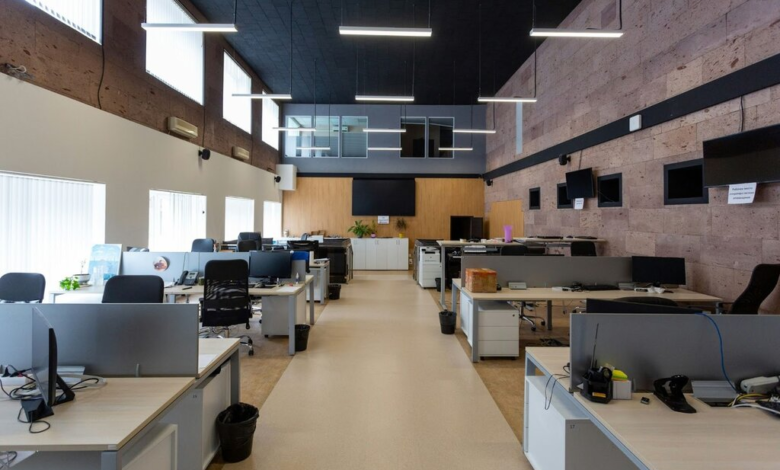
Key Highlights
Flexible offices allow businesses to adapt to changing needs
Reduced overheads make them a practical option
Modern workspaces support productivity and collaboration
Many companies are exploring office space in Brisbane that offers greater flexibility
Why Traditional Offices Are Being Reconsidered
The way businesses operate in Brisbane has evolved, with many organisations rethinking the role of a traditional office. Long term leases and fixed layouts can limit a company’s ability to respond to change, particularly in industries where growth and team structures are constantly shifting. As a result, businesses are looking for more adaptable solutions that align with modern working styles.
Flexible office environments provide an alternative that removes many of these constraints. Instead of committing to a static setup, businesses can choose arrangements that evolve alongside their needs. This shift reflects a broader change in how companies approach productivity, collaboration, and resource management.
For many organisations, exploring options such as office space in Brisbane offers access to professional environments without the limitations of traditional leases. Understanding why this transition is happening helps explain the growing demand for flexible offices.
Adapting to Changing Business Needs
Businesses rarely remain static. Teams grow, restructure, and adjust based on market conditions. A rigid office setup can make these changes more difficult to manage.
Flexible offices allow companies to scale their space as needed. This adaptability supports both short term adjustments and long term planning, making it easier to respond to new opportunities or challenges.
Being able to adjust quickly is a key advantage in a competitive environment.
Reducing Operational Costs
Maintaining a traditional office involves a range of expenses beyond rent, including utilities, maintenance, and fit out costs. These ongoing commitments can place pressure on budgets, particularly for smaller or growing businesses.
Flexible office arrangements often bundle these costs into a single structure, simplifying financial planning. This approach reduces the need for large upfront investments and ongoing management.
Lower overheads allow businesses to allocate resources more effectively.
Supporting Hybrid and Remote Work
Modern work models increasingly include a mix of in office and remote work. This shift has changed how businesses use physical space, with many no longer requiring a full time office for all employees.
Flexible offices support this model by providing access to workspace when needed, without requiring a permanent setup. Teams can collaborate in person while still maintaining remote flexibility.
This balance helps align office use with current work practices.
Enhancing Productivity and Focus
A well designed workspace can improve how employees focus and perform. Flexible offices are often designed to support different types of work, from quiet tasks to collaborative projects.
Access to appropriate environments helps employees choose the setting that best suits their needs. This can lead to more efficient and effective work.
A supportive environment contributes to better overall performance.
Encouraging Collaboration and Interaction
Flexible office spaces often bring together professionals from different industries, creating opportunities for interaction. These environments can support collaboration, idea sharing, and networking.
Being part of a shared workspace can lead to connections that may not occur in a more isolated office setting. These interactions can benefit both individuals and businesses.
Collaboration adds value beyond the physical workspace.
Simplifying Office Management
Managing an office involves a range of responsibilities, from maintenance to administrative tasks. Flexible offices reduce this burden by handling many of these aspects as part of the arrangement.
This allows businesses to focus more on their core activities rather than managing physical space. It also simplifies day to day operations.
Reducing administrative tasks can improve overall efficiency.
A More Practical Approach to Workspace
Flexible offices represent a more practical approach to workspace management. By combining adaptability, cost efficiency, and access to resources, they address many of the challenges associated with traditional offices.
This model allows businesses to remain responsive while maintaining a professional environment.
It also provides the freedom to adjust as needs change.
Building a More Adaptable Future
The move towards flexible offices reflects a broader shift in how businesses operate in Brisbane. Companies are prioritising adaptability, efficiency, and environments that support modern work styles.
By choosing flexible solutions, businesses can create a workspace that aligns with both current needs and future growth.
Over time, this approach supports stronger performance, better resource management, and a more sustainable way of working.