
Anyone who’s faced a procedure knows the dread of pain that comes with it. Whether it’s a tattoo, piercing, or laser treatment, the fear of pain can keep people up at night. The good news is that a numbing cream is a legitimate solution for reducing discomfort. But here’s what most people wonder: how long does the relief actually last?
Understanding Numbing Cream Duration Basics
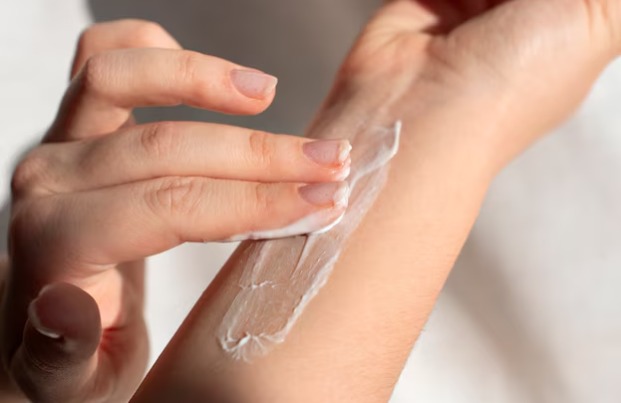
The answer isn’t straightforward because the effectiveness of the numbing cream depends on several factors working together. Most topical anaesthetics begin to take effect within 15 to 30 minutes of application, though some people notice effects sooner. The duration typically ranges from 30 minutes to several hours, depending on the product strength and your skin type. This is why understanding the timing of numbing cream matters before your appointment.
Different Formulations, Different Timelines
Different formulations offer different windows of relief. A standard lidocaine-based cream might last 45 minutes to an hour on most skin types, while stronger formulations can extend this to 2 or 3 hours. Benzocaine alternatives sometimes work faster but may have shorter staying power. The key is knowing what your chosen numbing cream can realistically deliver so you can plan your procedure accordingly.
The Critical Importance of Application Timing
Application timing plays a crucial role in how long protection lasts. Applying cream 30 to 60 minutes before your appointment gives it time to penetrate the skin and create an effective numbing zone. Apply it too early, and you might lose effectiveness before the procedure starts. Apply it too late, and you won’t have enough time for it to work properly. Getting this timing right is what separates a comfortable experience from disappointment.
How Your Skin Type Changes Everything
Skin thickness affects how quickly the numbing cream works and how long it persists. Thicker skin takes longer to absorb the active ingredients, but may hold the numbing effect for longer periods. Thinner, more sensitive skin allows faster absorption, meaning quicker relief but potentially shorter duration. This is why two people using the same product might report different experiences. Your unique skin chemistry matters more than most people realise.
Temperature’s Underrated Role in Numbing Cream Performance
Temperature also influences how long the numbing effect lasts. Warmer skin typically absorbs cream faster, speeding up the onset but potentially shortening the duration. Cooler conditions slow absorption, meaning you might wait longer for relief but potentially enjoy longer-lasting numbness. Some professionals recommend keeping the area cool after application to extend effectiveness. Environmental factors aren’t often discussed, but they genuinely affect your results.
Ingredient Concentration and Its Effects
The concentration of active ingredients determines both speed and longevity. Products with higher lidocaine or other anaesthetic concentrations work more aggressively and can last longer. However, higher concentrations also increase the risk of side effects for some users. Finding the right balance between strength and safety is what matters. Stronger doesn’t always mean better for your skin.
Maximising Duration Through Occlusion Techniques
Occlusion, or covering the numbed area, can prolong the cream’s effectiveness. When you apply numbing cream and then cover it with plastic wrap or a barrier, you trap moisture and heat, allowing deeper penetration and longer-lasting effects. Many professionals use this technique to maximize results. This simple addition can mean the difference between adequate numbing and excellent numbing for sensitive individuals.
Why Your Body Processes Cream Differently Than Others
Individual tolerance varies significantly from person to person. Some people naturally metabolise anaesthetics faster, meaning their numbing effects wear off quicker. Others seem to get longer-lasting relief from the same product. Factors like age, metabolism, medications, and even stress levels play a role. What works perfectly for your friend might not deliver the same results for you, and that’s completely normal.
Matching Numbing Duration to Your Specific Procedure
For tattoo sessions, you’ll want numbing cream that lasts 60 to 90 minutes, since the work often takes longer. Laser hair removal typically requires shorter coverage, often 30 to 45 minutes. Piercings happen quickly, so even 20-30 minutes of numbing might suffice. Matching the cream’s duration to your specific procedure prevents frustration. Understanding what you actually need prevents buying products that either undershoot or overshoot your requirements.
Why Reapplication During Procedures Usually Won’t Work
Many people don’t realise that reapplication isn’t always recommended during a single procedure. Once the cream is washed off to begin treatment, applying more might interfere with the procedure itself. Planning your single application to cover the entire duration is smarter than hoping for touchups mid-session. This is why getting the timing right from the start matters so much. It’s better to prepare properly than scramble for solutions later.
The Bonus of Residual Numbing After Effectiveness Fades
Post-procedure numbing can extend slightly beyond the initial timeline. Some residual numbness might linger for 15 to 30 minutes after the cream wears off, providing a gentle transition back to normal sensation. This cushion of additional comfort is something many people appreciate but don’t anticipate. It’s a small bonus that makes the overall experience feel less abrupt.
Taking Control of Your Numbing Cream Experience
The takeaway here is that the duration of numbing cream isn’t random. It follows predictable patterns based on formulation, application technique, and your individual skin. Planning your procedure around realistic numbing windows sets you up for success. Too many people underestimate how important this planning is, then blame the product when things don’t go smoothly. The cream works, but only when you respect its timeline.
Preparing for Your Procedure the Right Way
Before your procedure, check the specific guidance for your chosen product. Apply according to instructions, factor in realistic timing, and consider techniques like occlusion if appropriate. Know that results vary, and that’s okay. Your comfort during treatment depends partly on the cream and partly on properly managing expectations. Taking control of these variables transforms your procedure experience from something you dread into something you can manage confidently.
Empowering Yourself With Knowledge
Understanding how long numbing cream lasts empowers you to make better decisions about your care. Whether it’s a few minutes or a few hours, knowing what to expect removes uncertainty. This knowledge shifts you from a passive patient to an informed person taking charge of their comfort. That shift in perspective alone often makes procedures feel less intimidating, regardless of how long the numbing effect actually persists.