

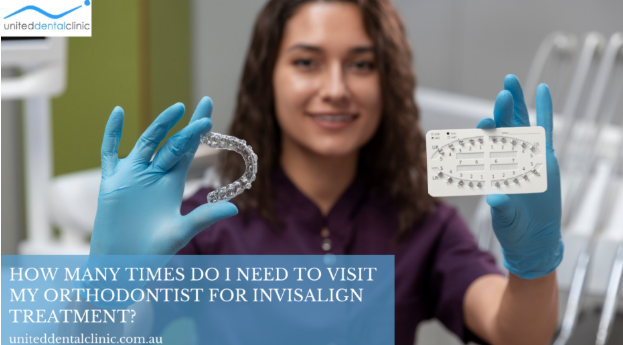
Here’s what most people don’t realise when they start looking into Invisalign — the number of dental visits is actually pretty manageable. No monthly trips. No sitting in the chair while someone tightens wires. Just periodic check-ins to make sure everything’s moving the right way.
That’s a big part of why so many patients choose it. For the best results, visit a trained family dentist in Warriewood. They can help you understand the steps of the treatment.
Invisalign vs Braces: The Honest Comparison
Braces are high-maintenance by design. The wires need tightening. Brackets need checking. That means showing up every 4 to 6 weeks, consistently, for the entire treatment duration.
Invisalign shifts a lot of that responsibility to the patient. Trays are swapped at home. Movement is already built into each aligner. The Invisalign treatment Narrabeen clinic visits become check-ins rather than adjustments — and that changes everything about the schedule.
| Factor | Invisalign | Traditional Braces |
| Visibility | Clear, barely noticeable | Highly visible metal brackets and wires |
| Visit Frequency | Every 6–8 weeks | Every 4–6 weeks |
| Total Visits | 6–10 across full treatment | 20+ across full treatment |
| Adjustments | Done at home by switching trays | Done in-clinic by the dentist |
| Removal | Removable for eating and cleaning | Fixed — cannot be removed |
| Eating Restrictions | None — aligners come out | Many. Hard/sticky foods must be avoided |
| Cleaning Teeth | Normal brushing and flossing | More difficult around brackets and wires |
| Comfort | Smooth plastic, minimal irritation | Wires and brackets can cause soreness |
| Treatment Duration | 6–18 months on average | 18–36 months on average |
| Suitability | Mild to moderate cases | Mild to complex cases |
| Cost | Generally higher | Generally lower |
| Compliance Required | High — must wear 20–22 hrs daily | Low — fixed to teeth |
How Often Do Invisalign Treatment Narrabeen Clinic Visits Actually Happen?
Most patients on Invisalign treatment Narrabeen come in every 6 to 8 weeks. That’s it.
| Treatment Stage | Invisalign appointment frequency |
| Initial Consultation | Once, before starting |
| Active Treatment | Every 6–8 weeks |
| Mid-Treatment Review | Around the halfway point |
| Final Stage | Every 6–8 weeks |
| Retainer Fitting | Once, after treatment ends |
| Post-Treatment Check | Occasional |
Total? Somewhere between 6 and 10 visits for most cases. Traditional braces often hit double that and sometimes more.
What Actually Happens at Each Stage?
The First Visit
This one’s the most involved. A family dentist in Warriewood scans the teeth digitally, checks bite alignment, reviews oral health, and confirms Invisalign is the right fit for the case.
The 3D planning software then maps every single tooth movement — the whole treatment, plotted out before a single aligner is worn. Patients walk out knowing the timeline, the aligner count, and roughly the Invisalign appointment frequency.
Early Treatment Check-ins
The first few Invisalign treatment Narrabeen visits are about confirming that teeth are tracking correctly. Aligners get dispensed in batches, so patients take multiple sets home and switch trays between appointments.
These Invisalign progress visits are short. Usually 15 to 30 minutes. A quick look, a few questions, done.
The Mid-Treatment Invisalign Follow-up Schedule
Halfway Invisalign follow-up schedule is when the dentist takes a proper look at the overall progress. If teeth have drifted slightly off the predicted path, small adjustments are made here.
Catching that early matters. Leave it, and a minor correction becomes a bigger one later.
Final Appointments
The last few Invisalign progress visits lock in the result. Tooth positions get confirmed, bite alignment checked, and retainer planning begins. These appointments carry more weight than people expect.
Refinements — Do They Add Extra Visits?
Sometimes, yes. Refinements are a small batch of additional aligners used to fine-tune the result after the main treatment phase wraps up.
They’re typically needed when:
● Teeth moved slightly off track from the original plan
● A bite issue still needs minor correction
● Small gaps haven’t fully closed
A few extra Invisalign treatment visits get added. Not a red flag. It just means the dentist isn’t rushing to the finish line. You get optimal results.
Why Skipping Invisalign Treatment Visits Backfires?
Some patients figure that since they’re changing trays at home, the clinic visits are optional. That logic tends to cause problems.
| What Gets Checked | What Happens If It’s Missed |
| Aligner fit | Teeth stop tracking, treatment stalls |
| Gum health | Inflammation quietly builds, complicating treatment |
| Wear compliance | Short hours = longer treatment |
| Early refinement signs | Small issues become a bigger fix later |
A family dentist in Warriewood catches these things before they compound. The visit takes 20 minutes. Fixing a missed issue can take months.
What Patients Can Do to Avoid Extra Visits?
Consistency makes a real difference here. Patients who stay on top of the basics rarely need unscheduled appointments.
● Wear aligners for 20 to 22 hours/day — non-negotiable
● Switch trays exactly when instructed, not early or late
● Clean aligners properly to prevent gum irritation
● Turn up to every scheduled visit, even when teeth feel fine
The patients who finish at 6 visits rather than 10 are almost always the ones who didn’t cut corners on these.
After Treatment: Retainers and What Follows
Once active treatment ends, a retainer gets fitted. It holds teeth in position while bone and tissue stabilise around the new alignment — that process takes time, and it can’t be skipped.
Patients who completed Invisalign treatment in Narrabeen are generally advised to wear retainers nightly, long-term. Teeth drift naturally without something holding them in place. The retainer is what stops the result from reversing.
Post-treatment visits drop off significantly from there. Occasional check-ins, nothing more.
Wrapping Up
● Invisalign progress visits happen every 6 to 8 weeks
● Most patients need 6 to 10 total appointments
● Each check-up runs about 15 to 30 minutes
● Refinements may add a few visits, depending on the case
● Skipping appointments leads to setbacks — it’s not worth it
Invisalign works well because patients handle the day-to-day, while the dentist provides oversight. That split is what keeps the visit count in the Invisalign check-up schedule low and makes the whole treatment genuinely easier to fit around real life.
The frequency of orthodontic visits with Invisalign is significantly low.