
Australia’s unique climate creates distinct skin health challenges that few other countries experience with such intensity.
The continent’s extreme UV radiation, intense heat, coastal humidity, and inland aridity combine to create environmental conditions that significantly impact skin appearance, aging, and disease risk.
The UV Radiation Factor
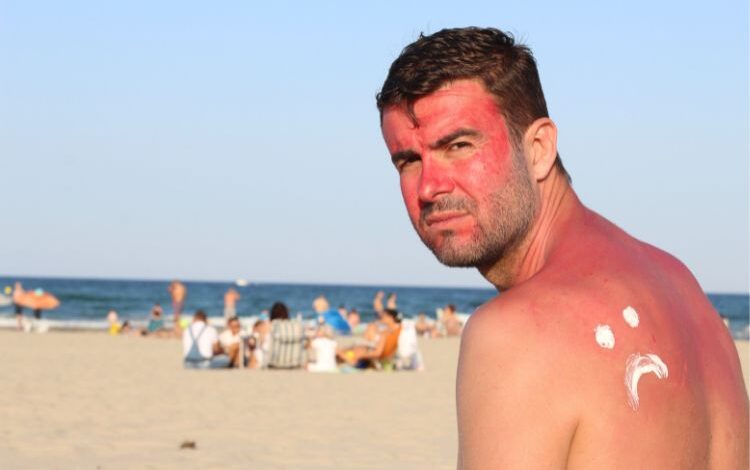
Australia experiences some of the world’s highest ultraviolet radiation levels due to geographic position, atmospheric conditions, and ozone layer thinness over the Southern Hemisphere.
This intense UV exposure creates the highest skin cancer rates globally, with two in three Australians developing skin cancer by age 70 according to Cancer Council Australia.
Year-Round UV Intensity
Unlike temperate regions where UV levels drop significantly in winter, many Australian locations maintain moderate to high UV radiation throughout the year.
Queensland and Northern Territory residents face damaging UV levels even during winter months, requiring consistent sun protection regardless of season.
Geographic UV Variation
Northern Australia closer to the equator experiences more intense UV radiation than southern regions.
However, even Tasmania and southern Victoria receive UV levels high enough to cause skin damage and increase cancer risk during warmer months.
Ozone Layer Impact
The ozone hole over Antarctica affects Australia’s UV exposure particularly during spring months. This atmospheric phenomenon allows increased UV radiation penetration, creating periods of exceptionally high skin damage risk that many Australians underestimate.
Reflection and Amplification
Australia’s beaches, white sand, and water surfaces reflect UV radiation, amplifying exposure beyond direct sunlight. Urban concrete and light-colored buildings similarly increase UV exposure in cities, creating cumulative damage even during routine daily activities.
Skin Cancer Epidemic
Australia’s skin cancer rates exceed those of any other country, driven primarily by climate-related UV exposure combined with historically lax sun protection practices.
Melanoma represents the third most common cancer in Australia, while non-melanoma skin cancers affect over 750,000 Australians annually according to the Australian Institute of Health and Welfare.
Melanoma Incidence
Australian melanoma rates are approximately four times higher than United States, Canada, and United Kingdom rates. The disease affects Australians at younger ages compared to other countries, with significant diagnoses occurring in people under 40.
Basal Cell and Squamous Cell Carcinoma
Non-melanoma skin cancers including basal cell carcinoma and squamous cell carcinoma occur even more frequently than melanoma. These cancers, while generally less deadly, require treatment and can cause significant disfigurement if unaddressed.
Early Detection Importance
Regular skin examinations prove critical for Australian residents given their elevated cancer risk. Professional screenings through services like Skin Chx cancer screening enable early detection when treatments achieve highest success rates and least invasive interventions.
Outdoor Lifestyle Contribution
Australian culture emphasizing outdoor recreation, beach activities, and sports creates cumulative UV exposure throughout life. Childhood sun damage particularly increases later cancer risk, making early protection habits essential.
Premature Aging and Photoaging
The Australian climate accelerates visible skin aging through UV-induced photoaging that damages collagen, elastin, and skin cells.
This environmental aging adds to intrinsic biological aging, causing Australians to show age-related skin changes earlier than residents of less sun-intense countries.
Collagen and Elastin Breakdown
UV radiation breaks down skin’s structural proteins causing sagging, loss of firmness, and reduced elasticity. This damage accumulates over years, with effects becoming visible in 30s and 40s among Australians with high sun exposure.
Pigmentation Changes
Sun damage creates uneven pigmentation including age spots, freckles, and melasma that age appearance beyond chronological years. These pigmentation issues prove particularly stubborn to treat once established, making prevention crucial.
Wrinkle Formation
UV exposure causes premature wrinkle development particularly around eyes, forehead, and mouth. Australian outdoor workers and beach enthusiasts often display significant wrinkling by their 40s and 50s.
Skin Texture Changes
Chronic sun exposure creates rough, leathery skin texture replacing smooth, supple appearance. This textural change proves difficult to reverse even with aggressive skincare interventions.
Heat and Humidity Effects
Australia’s tropical and subtropical regions experience persistent high heat and humidity creating specific skin challenges distinct from UV damage. These conditions affect skin barrier function, hydration, and susceptibility to various skin conditions.
Increased Sweating and Clogged Pores
High temperatures and humidity increase perspiration leading to clogged pores, acne breakouts, and folliculitis. The combination of sweat, sunscreen, and environmental pollutants creates ideal conditions for bacterial growth and inflammation.
Heat Rash and Irritation
Prolonged heat exposure causes prickly heat and heat rash particularly in skin folds and areas with restricted airflow. These conditions create discomfort and can lead to secondary infections if scratched or improperly managed.
Fungal Infections
Warm, moist conditions in coastal Australia promote fungal infections including tinea and athlete’s foot. These organisms thrive in humid environments, affecting people who spend time in communal facilities or wear occlusive footwear.
Eczema and Dermatitis Triggers
While heat and humidity help some skin conditions, others worsen including certain eczema types. Sweat can irritate sensitive skin triggering flares in people prone to inflammatory skin conditions.
Dry Inland Conditions
Australia’s interior regions experience extreme aridity with low humidity and minimal rainfall creating opposite skin challenges from coastal areas. This environmental dryness depletes skin moisture causing specific problems for inland residents.
Skin Barrier Disruption
Low humidity environments pull moisture from skin’s outer layers disrupting the protective barrier function. This barrier damage increases sensitivity, irritation, and susceptibility to environmental damage.
Chronic Dryness and Flaking
Arid conditions cause persistent dryness, flaking, and rough patches particularly on hands, legs, and face. This dryness worsens during winter when indoor heating further reduces humidity levels.
Increased Sensitivity
Compromised skin barriers from dryness make skin more reactive to products, temperature changes, and environmental irritants. This sensitivity complicates skincare requiring gentle, minimal product approaches.
Accelerated Aging
Chronic dehydration contributes to premature aging through reduced skin plumpness and flexibility. Well-hydrated skin maintains a more youthful appearance compared to chronically dry skin.
Seasonal Skin Changes
Australia’s dramatic seasonal variations create shifting skin challenges requiring adapted care approaches throughout the year. Understanding these seasonal patterns enables proactive management preventing problems before they develop.
Summer Challenges
Peak UV exposure, heat, and humidity during summer months require maximum sun protection, frequent cleansing, and lightweight moisturization. Oil control and acne prevention become priorities during this period.
Winter Concerns
Cooler, drier winter conditions particularly in southern regions increase dryness and sensitivity requiring richer moisturizers and gentle cleansing. UV protection remains necessary despite reduced sun intensity.
Spring Sensitivity
Seasonal changes and increased outdoor activity during spring can trigger allergies and skin reactivity. Gradual transition between winter and summer skincare prevents sudden product-related irritation.
Autumn Repair
Post-summer skin often requires intensive repair addressing accumulated UV damage, pigmentation, and dehydration. This recovery period optimizes skin health before winter challenges.
Regional Variation Across Australia
Australia’s vast geography creates dramatically different skin health challenges across regions. Climate-appropriate skincare must account for local environmental conditions rather than generic national recommendations.
Tropical North
Queensland’s tropical climate requires managing persistent heat, humidity, and year-round intense UV exposure. Lightweight, breathable sun protection and frequent reapplication prove essential.
Temperate Southeast
Melbourne, Sydney, and surrounding regions experience four distinct seasons requiring flexible skincare adapting to changing conditions. Both summer protection and winter hydration matter equally.
Arid Interior
Central Australia’s desert conditions demand intensive moisturization and barrier protection alongside sun defense. Dust and wind exposure add mechanical irritation concerns.
Coastal Zones
Beach proximity increases UV reflection and salt exposure affecting skin differently than inland areas. Saltwater can both benefit and damage skin depending on individual conditions.
Protection and Prevention Strategies
Understanding climate impacts enables implementing effective protection strategies that mitigate environmental skin damage. Consistent preventive measures prove far more effective than attempting to reverse established damage.
Essential protective practices:
- Daily broad-spectrum SPF 50+ sunscreen regardless of season or weather
- Protective clothing including hats, sunglasses, and UPF-rated garments
- Seeking shade during peak UV hours between 10 AM and 3 PM
- Regular professional skin examinations detecting problems early
- Climate-appropriate moisturization matching local humidity levels
- Gentle cleansing preserving skin barrier function
- Antioxidant skincare neutralizing UV-induced free radical damage
- Adequate hydration supporting skin moisture from within
Conclusion
Australia’s climate creates unique skin health challenges through intense UV radiation, temperature extremes, and humidity variations that significantly impact cancer risk, aging, and daily skin comfort.
Understanding these environmental factors enables Australians to implement appropriate protection strategies minimizing damage while maintaining skin health despite challenging conditions that few other populations face with similar intensity.