
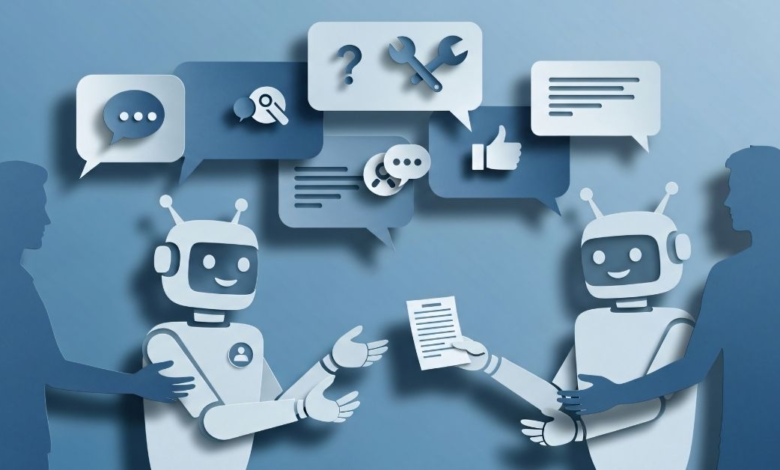
Client communication is the foundation of effective legal services. Clients expect quick responses, clarity, transparency, and accessibility—often outside traditional office hours. For law firms and legal departments managing growing workloads, meeting these expectations can be challenging. This is where legal ai chatbots are transforming the way legal professionals interact with clients.
By automating routine communication and streamlining client intake, legal ai chatbots are redefining efficiency, responsiveness, and client experience in the legal industry.
What Are Legal AI Chatbots?
Legal ai chatbots are conversational AI systems designed to interact with clients using natural language. Powered by natural language processing (NLP) and machine learning, these chatbots understand legal queries, provide structured responses, and guide users through legal processes.
Unlike generic chatbots, legal ai chatbots are trained on legal terminology, workflows, and compliance requirements, making them suitable for professional legal environments.
Why Client Communication Needs Legal AI
Traditional client communication methods—emails, phone calls, and in-person meetings—are time-intensive and often repetitive. Lawyers frequently answer the same preliminary questions related to fees, processes, timelines, and documentation.
Legal ai chatbots address these challenges by:
- Providing instant responses 24/7
- Reducing administrative workload
- Ensuring consistent information delivery
- Improving client accessibility
Key Functions of Legal AI Chatbots
1. Client Intake and Case Screening
One of the most valuable uses of legal ai chatbots is client intake. Chatbots collect essential information such as:
- Nature of the legal issue
- Jurisdiction
- Deadlines and urgency
- Relevant documents
This data is then organized and forwarded to legal professionals, saving significant time.
2. Answering Frequently Asked Questions
Legal ai chatbots can instantly respond to common client questions, including:
- Service offerings
- Fee structures
- Appointment scheduling
- Document requirements
This reduces repetitive interactions and improves efficiency.
3. Appointment Scheduling and Follow-Ups
Chatbots integrated with calendars can schedule consultations, send reminders, and follow up with clients—minimizing missed appointments.
4. Legal Information and Guidance
While not a substitute for legal advice, legal ai chatbots can provide general legal information, helping clients understand processes and next steps.
Benefits of Legal AI Chatbots
Improved Client Experience
Clients receive immediate responses without waiting for office hours. This accessibility enhances satisfaction and trust.
Increased Efficiency for Legal Teams
By handling routine communication, legal ai chatbots free lawyers and staff to focus on complex legal work.
Cost Reduction
Automating administrative communication reduces staffing costs and operational overhead.
Scalability
Legal ai chatbots can handle thousands of conversations simultaneously, making them ideal for growing firms and high-volume practices.
Legal AI Chatbots vs Traditional Communication
| Aspect | Traditional Communication | Legal AI Chatbots |
| Availability | Business hours | 24/7 |
| Response Time | Slow | Instant |
| Consistency | Varies | Consistent |
| Scalability | Limited | High |
| Cost Efficiency | Lower | Higher |
This comparison shows why legal ai tools are becoming essential.
Use Cases Across Legal Practice Areas
Law Firms
Firms use legal ai chatbots for client intake, FAQs, and lead qualification.
In-House Legal Teams
Chatbots assist employees with policy-related questions and contract workflows.
Legal Aid and Access to Justice
Legal ai chatbots help underserved communities access basic legal information at low cost.
Corporate Compliance
Organizations deploy chatbots to guide employees on compliance policies and reporting procedures.
Ethical and Professional Considerations
While powerful, legal ai chatbots must be used responsibly. Key considerations include:
- Clear disclaimers distinguishing information from legal advice
- Strong data privacy and security measures
- Avoidance of unauthorized practice of law
- Human escalation for complex matters
Ethical deployment preserves professional standards and client trust.
Data Privacy and Security
Client conversations often contain sensitive information. Legal ai chatbots must comply with data protection laws and ensure:
- Secure data storage
- Encrypted communication
- Limited access controls
- Responsible data retention
Security is non-negotiable in legal environments.
Best Practices for Implementing Legal AI Chatbots
To maximize effectiveness, organizations should:
- Define clear chatbot use cases
- Train chatbots with accurate legal content
- Provide easy escalation to human lawyers
- Regularly review chatbot responses
- Update content as laws and policies change
A well-governed chatbot enhances—not replaces—legal services.
Impact on Legal Professionals
Legal ai chatbots do not reduce the need for lawyers. Instead, they improve how lawyers use their time by eliminating repetitive communication tasks.
Lawyers can focus more on:
- Strategy and advisory work
- Client relationships
- Complex legal analysis
The Future of Client Communication with Legal A
As legal ai evolves, chatbots will become more intelligent and personalized. Future capabilities may include:
- Multilingual legal communication
- Emotion-aware responses
- Integration with case management systems
- Predictive client support
These advancements will further enhance client engagement.
Conclusion
Legal ai chatbots represent the future of client communication in the legal industry. By offering instant, consistent, and scalable interaction, they improve client experience while reducing administrative burden on legal teams.
When deployed ethically and responsibly, legal ai chatbots strengthen—not weaken—the lawyer-client relationship. They serve as intelligent gateways to legal services, ensuring that both clients and legal ai professionals benefit from smarter communication.