
Nepal is one of the best destinations for mountain adventures in the world. The beautiful Himalayas are also found in the country and have plenty to offer an explorer who does not require a serious mountaineering adventure but has more than just a trek. The most popular trekking peaks in Nepal include Mera Peak and Island Peak among others.
Both peaks are in the Everest region and offer climbers a true high-altitude experience in the Himalayas. It does not require a professional to be able to climb them but it is highly recommended to prepare, properly acclimatize and be guided by experienced local guides. But the experience of climbing Mera Peak is very different compared to Island Peak. The paths, views, technical challenges, and overall trip experience help determine which mountain is best to climb.
This blog will make you realize the key differences between Mera Peak and Island Peak in a simple way. At the end, you will be able to make your choice of the peak which fits your adventure, fitness, and your stay in the Himalayas.
Location and Scenic Experience
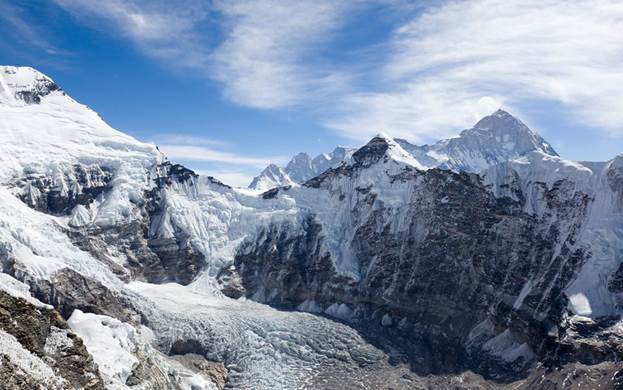
Mera Peak and Island Peak are found in the different regions of the Everest region thus the experience of trekking in the two is quite different. Both ascent are a spectacular sight of the Himalayas but the path, the mood, and the scenery that one traverses in each are highly different. One path leads you far off into a peaceful and less-travelled valley, the other along a popular path with its village and globally-known trekkers.
Mera Peak
- In the isolated Hinku Valley, way out of the congested Everest Base Camp route
- Quiet walks through forests, rivers, and small towns
- Less traffic, which means that the trail is peaceful and quiet
- Extensive views of the summit and mountainous horizons
- Others are Everest, Lhotse, Makalu, Cho Oyu and Kanchenjunga
Island Peak
- Near the main Everest Base Camp trekking trail
- Traveling through renowned villages such as Namche Bazaar, Tengboche, Dingboche, and Chhukung
- Trail contains numerous teahouses and lodges
- Active environment with numerous trekkers and climbers
- Short shot of Everest, Ama Dablam, Lhotse, and Nuptse
The two paths are wonderful yet they have very different experiences. Mera Peak provides you with space and calmness whereas Island Peak will enjoy the feel of the culture and the vibrancy of Everest region. This option is based on whether you want to have a quiet and peaceful scenery or something more social and spirited trekking experience.
Climbing Experience and Difficulty Level
Both Mera Peak and Island Peak are trekking peaks, but the difficulty is not equal. Most climbers believe that climbing is difficult due to the altitude, other factors such as terrain, slope steepness, and technical passages are equally significant. Being aware of these differences will enable you to decide on a peak that will suit your fitness, experience, and level of comfort.
Mera Peak
- Height: 6,476 meters, which is one of the tallest trekking peaks in Nepal
- Technically simpler with soft slopes of snow and ice
- No steep or technical climbing sections
- The basic mountaineering gear including crampons and ice axe is sufficient
- Challenge is mainly the high altitude and long walking days
Climbing Mera Peak is an excellent first-time Himalayan adventure ideal for fit beginners who desire a high-altitude mountain adventure without technical climbing. You still require physical fitness, proper acclimatization and simple knowledge in the mountaineering equipments, but climbing is very doable. The Mera Peak is rewarding and memorable to many first-time climbers.
Island Peak
- Height: 6,189 meters
- More technical climbing, particularly in the higher altitudes
- Fixed rope snow and ice slopes
- Needs power, balance and assurance on the ice
- Most suitable amongst trekkers who have a moderate level of high-altitude background
Island Peak is more interactive and adventurous. The last ascent is more steep and exposed and it is exciting but needs care and confidence. Individuals who have prior trekking experience in high altitude mostly opt to conquer Island Peak as a way to test themselves and their skills in climbing in a secure setting.
In brief, Mera Peak is easier but higher whereas Island Peak is lower but more technical. Novices tend to take Mera Peak, whereas those interested in more adventure and practical climbing prefer Island Peak.
Best Time to Climb
Spring or autumn is the time to climb both Mera Peak and Island Peak. The seasons provide clear weather, predictable weather, and safer conditions during trekking. It is also important to pick a season that suits you to have the best time in the mountains.
Popular seasons include spring (March to May), when mild weather and rhododendron forests line the trails. Days are warm, but it is colder at high altitudes, and the mountain scenery is breathtaking. Climbers should come in spring when the climbers appreciate comfortable temperatures and clear trails without a lot of snow and ice.
Another great season is autumn (September to November). The monsoon has passed and the skies are clear, and the mountains appear dramatic and majestic. The temperatures are lower and this is comfortable to many trekkers. Autumn is the most common period to Island Peak as the trail leading to Everest Base Camp is congested with lodges fully open.
It is extremely cold and windy during winter, whereas during the season of monsoon, it rains, trails are slippery, and visibility is insufficient. Spring and autumn are the most preferred seasons of both mountains due to safety and the most enjoyable time.
Time Required and Trip Style
Mera Peak is typically completed in 17 to 20 days of trekking and acclimatization. It is a wild trail, with long days spent strolling through forests, along rivers, and across open valleys. The lesser numbers of trekkers ensure solitude in the Himalayas as well as an adventurous approach to the Himalayas.
Island Peak expeditions are shorter, approximately 14 to 16 days. The trail is well travelled, and there are lodges and teahouses available easily, making the trek more comfortable. This is suitable to those travelers who have very little time but would like to have an actual high-altitude adventure.
The two peaks should be fit and duly acclimatized. Mera Peak is peaceful and quiet whereas Island Peak offers culture and vibrant villages on the route. The decision will be based on whether one wants a quiet touring trip or rather a social trekking trip.
Which Peak Should You Choose?
Mera Peak: Narrow paths, expansive mountain vistas, less technical ascent. Ideal for beginners.
Island Peak: More technical, more experience climbing, more popular trail in the Everest region. Perfect as a guide to advanced trekkers.
Both mountains offer memorable experiences, stunning views, and a great sense of achievement. Whichever one you take your Himalayan adventure is going to be a life changing one. Regardless of your summit, you will make memorable experiences and enjoy the original Sherpa culture and will be confident in high-altitude trekking.
Every trip presents its own obstacles and pleasures and it is a very individual and fulfilling experience in the Himalayas. You will experience stunning sunsets and sunrise, will have the sensation of being on the top of the clouds and will also be coming home with lifetime stories. Both mountains are not only a climb, but a journey into the very soul of the highest mountains in the world.
Final Thoughts
Both Mera Peak and Island Peak are extraordinary mountain top ascents, and have a difference to offer. The Mera Peak is calm and easy, and its mountain vistas are expansive. The Island Peak is more adventurous and technical and has an exciting path through the Sherpa villages.
Both offer stunning views and a feeling of accomplishment that you have all your life. Both peaks are easily enjoyed with the proper planning, acclimatization and the assistance of highly trained local guides. The option lies in the kind of adventure you desire. Whichever peak you choose, your trip to the Everest region will be unforgettable and full of memories to enjoy.
Climbing Mera Peak or Island Peak is not just about reaching the summit; it is also about the journey, the villages you pass, the mountains you admire, and the feeling of being above the clouds. Both peaks are payoffs and each will provide you with lifetime stories, experiences and moments.