Nasal Strips in Australia: The Small Fix Behind Better Breathing and Deeper Sleep

Snoring gets blamed on the throat. Most people assume that’s where the problem lives, but that’s usually not where it starts. Nasal resistance is often the real culprit — and once the nose stops doing its job properly at night, everything else starts to suffer. Breathing shifts to the mouth, the throat dries out, sleep quality drops, and mornings feel harder than they should. It’s a quiet, creeping problem. That’s partly why nasal strips in Australia have moved well beyond sport and into everyday medicine cabinets for people who just want to breathe properly again.
What Mouth Breathing Actually Does
Breathing through the mouth at night sounds harmless. It isn’t. The nose warms and filters every breath before it reaches the throat — the mouth skips all of that entirely. Cold, unfiltered air irritates the throat lining over and over through the night. That’s where the soreness comes from, the dryness, the heavy foggy feeling in the morning that people often chalk up to poor sleep in general. The real issue is structural. The nose is built to do this job. The mouth isn’t.
Where Snoring Actually Starts
Nasal strips in Australia get purchased for snoring more than anything else, and there’s a clear reason behind that. Snoring doesn’t always point to sleep apnoea. Plenty of people snore simply because restricted nasal passages have pushed them into mouth breathing overnight — and when dry air moves through a partially open mouth and throat, the soft tissue there vibrates. That’s the sound. Open the nasal passage back up, and the mouth often stays closed during sleep without any effort at all. The snoring either quietens down or stops.
The Rebound Problem With Sprays
Decongestant sprays work quickly and that’s exactly why people overuse them. But the nasal lining responds to prolonged spray use by becoming reliant on it to stay open — a condition doctors call rhinitis medicamentosa. The spray stops working as relief and starts being the cause. People end up more blocked than when they started and can’t sleep without reaching for the bottle again. Nasal strips don’t interact with nasal tissue at all. They’re purely mechanical, meaning there’s no lining sensitivity to worry about, no dependency to develop, and no limit on how long they can be used.
Hayfever and the Gap Antihistamines Leave
Australian spring pollen seasons can be brutal for allergy sufferers. Antihistamines manage the immune response fairly well, but they don’t always fully control the physical swelling that narrows the airway. Nasal strips don’t treat the allergy at all — what they do is counteract the narrowing that inflammation causes. That’s a meaningful distinction. Used alongside allergy medication rather than instead of it, they fill the gap that tablets miss, especially at night when lying flat makes drainage worse and congestion tends to peak.
Pregnancy Rhinitis Goes Unmentioned
Congestion during pregnancy is common enough to have a clinical name — pregnancy rhinitis — but it rarely comes up at routine appointments. Rising oestrogen levels cause the nasal lining to swell, and it can persist right through to delivery. Most medications that would normally help are not recommended during pregnancy, which leaves expectant mothers with very few options. Nasal strips sit outside that concern entirely. They don’t enter the bloodstream or affect the body chemically in any way, making them one of the more practical tools available for managing blocked nights during pregnancy.
Placement Changes Everything
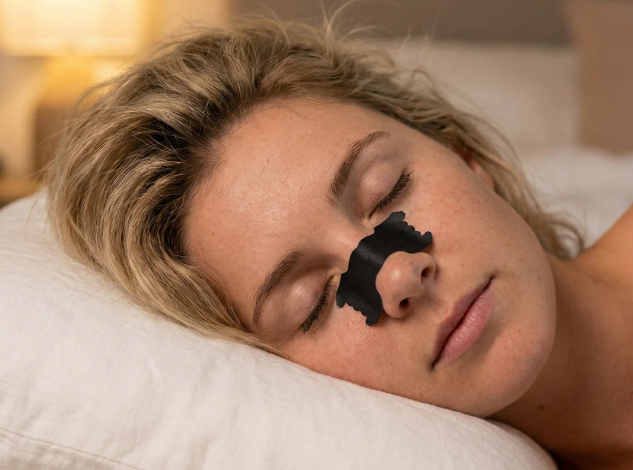
Putting a nasal strip on incorrectly is a surprisingly easy mistake to make. Too high on the bridge and it misses the nasal valve entirely, doing almost nothing. Too low and it loses leverage. The strip belongs across the widest, fleshiest part of the nose — that’s where the mechanical pull is most effective. Skin has to be completely dry before it goes on. Even light residue from a face wash or moisturiser is enough to stop the adhesive holding through the night. A strip found on the pillow in the morning is almost always a placement or prep issue, not a product failure.
Conclusion
Nasal strips in Australia have earned their place not through clever marketing but because they solve a genuine problem that medications often can’t. Whether it’s rebound congestion from overused sprays, hayfever narrowing that antihistamines don’t fully fix, pregnancy rhinitis with no safe pharmaceutical options, or plain old snoring traced back to a collapsing nasal valve — the mechanical simplicity of a strip turns out to be exactly what’s needed. No dependency, no systemic effects, and no complicated routine to maintain.