

Choosing the right skincare approach can be overwhelming. With countless products, tools, and treatments available, individuals often wonder whether at-home routines or professional treatments will deliver the best results. Both approaches have unique advantages, limitations, and purposes. Understanding how they work, what issues they target, and how they complement each other can help you make informed decisions for healthier, more radiant skin. For those seeking more significant improvements, exploring a skin treatment Perthclinic can offer solutions not achievable through daily home care alone.
At-Home Skincare: Foundations, Benefits, and Limitations
At-home skincare routines form the foundation of daily skin maintenance. They typically include cleansing, moisturizing, exfoliating, and applying serums or treatments containing ingredients like hyaluronic acid, niacinamide, and antioxidants.
Benefits of At-Home Skincare
Daily care at home has several advantages. It is convenient, cost-effective, and accessible. Consistent routines help maintain hydration, prevent the buildup of dead skin cells, reduce mild acne, and protect the skin from environmental stressors. At-home products also allow individuals to tailor their routine to seasonal changes or skin sensitivity.
Limitations of At-Home Treatments
Despite their convenience, at-home routines have inherent limitations. Most over-the-counter products are formulated at lower concentrations for safety and cannot penetrate deeply enough to address advanced concerns such as deep wrinkles, severe acne scars, or pigmentation issues. Improvements are usually gradual, subtle, and require consistent application over months to notice visible changes.
Ideal Uses
At-home skincare is best suited for maintenance, preventative care, and mild concerns. They prepare and protect the skin between professional treatments, ensuring the results of clinical procedures last longer.
Professional Skincare Treatments: Customization, Technology, and Depth
Professional treatments involve procedures administered by trained dermatologists, estheticians, or licensed skincare professionals. They utilize advanced equipment and high-strength medical-grade formulations designed to treat deeper skin layers.
Advanced Techniques
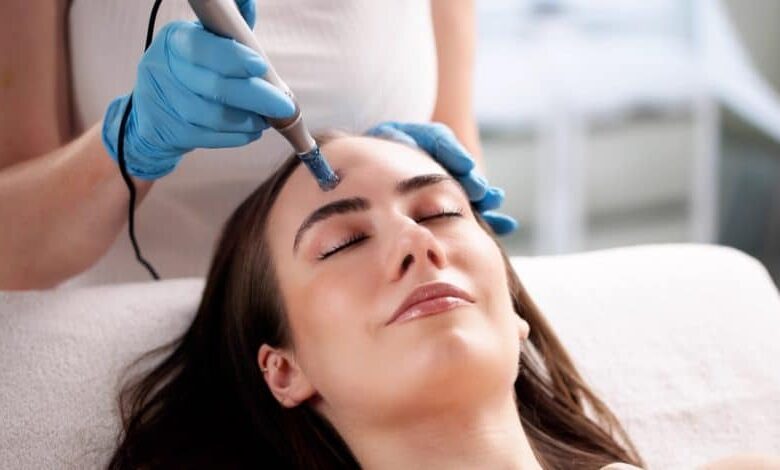
Modern professional skincare includes microneedling, chemical peels, laser resurfacing, dermaplaning, and advanced facials. These treatments are capable of stimulating collagen, reducing pigmentation, smoothing wrinkles, and addressing deep scars. Unlike at-home routines, professional procedures can penetrate multiple skin layers, offering faster and more noticeable results.
Personalized Treatment Plans
Professionals assess skin type, condition, lifestyle, and individual goals to recommend tailored treatments. This customization ensures that each procedure addresses the root of the concern safely and effectively. Professionals may combine multiple modalities, for example, a chemical peel followed by microneedling, to maximize results while minimizing risks.
Safety, Downtime, and Costs
Professional treatments are performed in sterile, controlled environments, reducing the risk of infection or adverse reactions. Some procedures may involve temporary redness, swelling, or mild discomfort, and costs are higher than those of at-home routines. However, for complex skin issues, the depth of results and long-term benefits often justify the investment.
Comparing Microneedling and Chemical Peels
Two widely used professional treatments are microneedling and chemical peels, each targeting different skin concerns.
Microneedling:
● Mechanism: Uses fine needles to create micro-injuries, stimulating collagen and elastin production.
● Best for: Acne scars, fine lines, large pores, uneven texture, and mild pigmentation.
● Results: Gradual improvement over multiple sessions, enhancing skin firmness and smoothness.
Chemical Peels:
● Mechanism: Uses acidic solutions (like AHAs or BHAs) to exfoliate the skin’s outer layers.
● Best for: Surface pigmentation, sun spots, dull skin, and fine lines.
● Results: Immediate surface renewal, brighter complexion, but deeper peels may require downtime.
At-home vs Professional Use:
At-home peels and microneedling tools are mild and surface-level. They can provide subtle improvements but cannot match the depth, precision, and safety of professional treatments. Combining mild at-home treatments with professional procedures can enhance overall results when supervised appropriately.
Effectiveness, Safety, and Cost Considerations
When deciding between at-home and professional skincare, three factors are essential: effectiveness, safety, and cost.
| Aspect | At-Home Skincare | Professional Treatments | Notes |
| Cost | Low | High | Professionals use medical-grade equipment and formulations |
| Effectiveness | Superficial, gradual | Deep, rapid, and noticeable | Depends on skin concern severity |
| Safety | Variable | High | Professionals reduce the risk of injury and irritation |
| Convenience | Daily, accessible | Requires appointments | Home routines are flexible, but depth is limited |
| Long-Term Value | Moderate | High | Professional interventions often yield lasting improvements |
While at-home routines excel in accessibility and affordability, professional treatments are unmatched in addressing deeper, persistent skin issues.
Integrating At-Home and Professional Skincare
The most effective approach often combines both methods. A solid at-home routine ensures consistent care, hydration, and protection. Meanwhile, periodic professional treatments target complex issues, accelerate improvement, and stimulate long-term skin health.
For example, applying high-quality serums and moisturizers at home maintains hydration and prepares the skin for in-clinic procedures. Professionals can then perform targeted interventions like microneedling or laser resurfacing to achieve deeper results. This synergy maximizes the benefits of both approaches while minimizing costs and downtime.
Choosing the Right Skincare Approach
Selecting between at-home and professional treatments requires assessing personal skin goals, concerns, and budget:
● Mild concerns or maintenance: Focus primarily on a consistent at-home routine using high-quality products.
● Persistent or advanced concerns: Incorporate professional treatments for more dramatic, lasting improvements.
● Combination strategy: Use at-home products for daily care and protection, complemented by professional procedures to address specific issues.
Ultimately, informed choices based on your skin type, lifestyle, and goals deliver the healthiest and most resilient skin.
Conclusion
In the debate between at-home and professional skincare, neither approach is inherently superior. At-home routines provide convenience, affordability, and preventive care, while professional treatments deliver precision, depth, and faster results. For those seeking advanced skin improvement, consulting a specialist for the best skin tightening treatment or targeted procedures ensures optimal outcomes. Integrating both methods offers a balanced, effective path to healthy, radiant skin that looks and feels its best.
FAQs
1. What is the difference between at-home and professional skincare treatments?
At-home skincare routines focus on daily maintenance using gentle products, while professional treatments employ high-grade ingredients and advanced technologies to address deeper issues, providing faster, longer-lasting results that are tailored to individual skin concerns and goals.
2. Are at-home skincare treatments effective?
At-home treatments are effective for surface-level concerns, hydration, and preventing early signs of aging. They maintain skin health and complement professional procedures, but they are generally slower and less potent in correcting deep wrinkles, scars, or pigmentation.
3. Why should I consider professional skincare treatments?
Professional treatments target deeper skin layers, stimulate collagen, and address advanced concerns like deep wrinkles, scarring, and hyperpigmentation. Performed by trained specialists, they offer precise, safe, and faster results not achievable through at-home routines alone.
4. Can at-home and professional treatments be combined?
Yes, combining both is ideal. Daily at-home care maintains hydration and protects the skin, while professional procedures provide deep intervention. Together, they create a synergistic effect, enhancing overall results, prolonging benefits, and improving skin texture and tone.
5. How often should professional treatments be done?
Frequency depends on the procedure and individual skin goals. Light peels may be done monthly, microneedling every 4–6 weeks, and laser treatments as recommended. A skincare professional can create a personalized plan for optimal results and safety.
6. Are professional treatments safe for all skin types?
When performed by trained dermatologists or licensed estheticians, professional treatments are generally safe for most skin types. Professionals assess your skin, adjust procedures, and minimize risks like irritation, redness, or uneven results, ensuring treatments suit individual needs.
7. Do at-home routines require professional guidance?
While basic routines are generally safe, consulting a professional can help select the right products and methods. Guidance ensures compatibility with skin type, prevents irritation, and maximizes effectiveness, especially for sensitive, acne-prone, or aging skin.
8. Which is more cost-effective: at-home or professional treatments?
At-home routines are more affordable initially and ideal for maintenance, but professional treatments offer long-term value for deep, persistent issues. Although more expensive upfront, fewer sessions are often needed to achieve significant, lasting results.
9. How long does it take to see results from each approach?
At-home routines provide gradual improvements over weeks or months, mainly affecting surface concerns. Professional treatments deliver faster, visible results, often within one to several sessions, depending on procedure type and individual skin condition.
10. What is the best approach for long-term skin health?
A combined strategy is most effective. Consistent at-home care maintains daily skin health, while professional treatments address deeper concerns periodically. Together, they enhance results, support collagen production, and ensure healthy, resilient, and radiant skin over time.