
Many Australian homeowners associate spring with garden maintenance and a general refresh of their homes. However, spring is the ideal season for addressing structural and mechanical systems that will protect your property through summer and beyond. One overlooked system that demands attention before the warmer months arrive is your garage door a critical component that affects both home security and safe family access. Here’s what you need to know about spring home maintenance priorities, plus essential care tips for the systems that matter most.
Why Spring Matters
Australia’s seasonal transitions bring specific challenges. Winter has tested your home’s weatherproofing, roof integrity, and door/window seals. Spring is the season when many mechanical failures become visible and it’s your opportunity to address them before summer heat accelerates wear and tear.
Spring is also peak time for pest activity. According to the CSIRO, one in three Australian homes will be affected by termites at some stage. Spring inspections prevent costly structural repairs later. Similarly, spring weather patterns (warmer days, cooling nights) can expose moisture issues, hardware corrosion, and alignment problems in doors, windows, and garage systems.
The key to effective spring maintenance is prioritizing systems that impact safety, prevent water damage, and extend the lifespan of your home’s mechanical components.
The 6 Critical Spring Maintenance Tasks Every Sydney Homeowner Needs to Do
1. Inspect and Clear Your Gutters and Downpipes
After winter, gutters are likely clogged with leaves, twigs, and debris. Blocked gutters cause water to back up under eaves, leading to ceiling stains, timber rot, and foundation damage. Spring cleaning prevents these costly issues.
What to do:
- Remove all leaf litter and debris by hand (wearing gloves)
- Flush downpipes with a hose to ensure water flows freely
- Check for sagging sections or loose brackets
- Clear gutter guards if installed
Why it matters: Gutters clogged during the warmer months accelerate mould growth and provide a pathway for water into wall cavities. Early spring is the perfect time to clear systems before the summer storms arrive.
2. Test Your Smoke Alarms and Safety Devices
Australian building standards require functional smoke alarms in your home. Spring is an excellent reminder to test these life-saving devices.
What to do:
- Press the test button on each smoke alarm (should trigger a loud alarm)
- Replace batteries if the alarm doesn’t sound or sounds weak
- Note the installation date; replace the entire unit every 10 years (it’s a legal requirement in NSW for rental properties)
- Test RCD (Residual Current Device) safety switches in your switchboard they should trip within milliseconds
Why it matters: Smoke alarms that don’t work are as useless as no alarm at all. Testing quarterly ensures your family has critical warning time in the event of a fire.
3. Inspect Your Roof and Check for Loose Tiles
Winter storms can dislodge roof tiles, crack flashing, or loosen guttering. Spring inspection catches these issues before heavy summer rains expose them.
What to do:
- From ground level, scan your roof for visibly loose, cracked, or missing tiles
- Check the flashing around chimneys and vents for gaps or corrosion
- Look for moss or lichen growth (more common in coastal areas)
- If you’re comfortable on a ladder, check for debris buildup in valleys where tiles meet
Why it matters: A small roof leak can cause thousands of dollars in ceiling and wall damage. Early detection and repair prevent structural decay and mould growth.
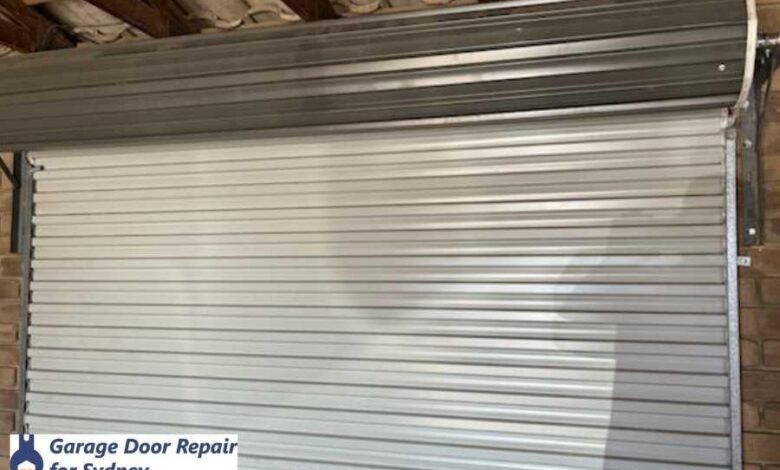
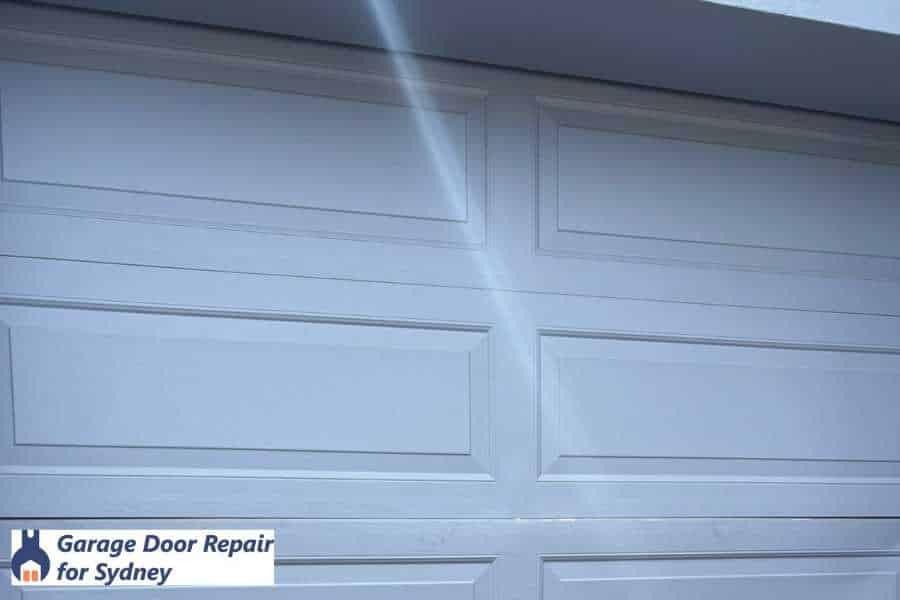
4. Lubricate and Inspect Your Garage Door
Your garage door is one of the most-used mechanical systems in your home often opened 3–5 times daily. Spring is the ideal time to maintain this system, ensuring it operates safely and quietly throughout the year.
What to do:
- Inspect the door for visible rust, dents, or paint peeling on the panels
- Wipe down the tracks on both sides with a cloth to remove dust and debris
- Apply light machine oil to hinges, rollers, and track surfaces (avoid over-lubricating a thin coat is best)
- Open and close the door several times to distribute the lubricant
- Listen for grinding, squeaking, or unusual noises that suggest worn components
- Ensure the door closes smoothly and doesn’t bind or stick mid-way
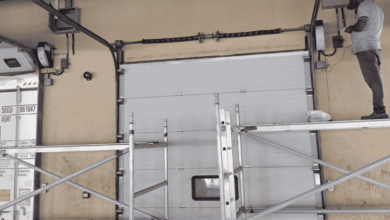
Professional check: If you notice grinding noises, difficulty opening/closing, or visible wear on springs and cables, contact a garage door repair Sydney specialist. Spring tension and cable systems require professional handling for safety reasons.
Why it matters: Regular lubrication extends the lifespan of mechanical components, reduces noise, and prevents emergency breakdowns. A well-maintained garage door also operates more safely modern doors have auto-reverse sensors that prevent entrapment, but proper maintenance ensures these safety features work correctly.
5. Check Windows and Door Seals for Weatherproofing Gaps
Winter winds and temperature fluctuations can cause timber frames to expand and contract, compromising the seals around windows and external doors. Spring is when you’ll notice sticking doors or windows, or drafts that weren’t apparent in winter.
What to do:
- Open and close every external door and window to check for sticking or binding
- Inspect the weatherstripping (rubber or foam seals) around frames for cracks or deterioration
- Check the silicone sealing where frames meet brick or timber look for gaps or cracks
- Replace worn weatherstripping (available at hardware stores for DIY installation)
- Reseal gaps with exterior-grade silicone caulk (better left to professionals for large gaps)
Why it matters: Gaps in weatherproofing allow water ingress, increase heating and cooling costs, and create pathways for pests. Spring repairs prevent these issues from escalating.
6. Inspect External Timber and Metal Hardware
Australian weather is harsh on exposed timber and metal. Spring inspection catches corrosion, rust, and decay before they become structural concerns.
What to do:
- Check deck posts, railings, and fascia for soft spots (press with a screwdriver it should not sink into solid timber)
- Look for paint peeling, which exposes timber to UV and moisture
- Inspect metal hinges, bolts, and fasteners on doors and gates for rust
- Check door locks and security hardware for corrosion or stiffness
- Apply protective coating (stain, oil, or varnish) to exposed timber if showing signs of grey-out
Why it matters: Timber decay and hardware corrosion are progressive problems. Early intervention with protective coating prevents costly structural repairs or safety hazards.
When to Call a Professional
While many spring maintenance tasks are DIY-suitable, some require professional expertise:
- Garage door springs, cables, and tensioners: These are under extreme tension and require professional tools and safety protocols
- Auto-reverse safety sensors: Testing these requires specialized equipment to ensure they meet safety standards
- High-altitude roof work: Gutters, roof tiles, and flashing require proper scaffolding and safety harnesses
- Electrical safety devices: RCD testing and replacement should be performed by a licensed electrician
Attempting these tasks without proper training risks injury and can void warranties on mechanical systems.
Create Your Spring Maintenance Calendar
Mark these dates on your calendar:
- September (Early Spring): Gutters, roof inspection, smoke alarms
- October (Mid-Spring): Garage door lubrication and inspection, weatherstripping check
- November (Late Spring): Final checks before summer ensure all safety devices are functional and all seals are intact
This 3-week schedule ensures you address the most critical items before summer heat and storms arrive.
The Bottom Line
Spring maintenance in Australia is about preventing costly damage caused by winter wear and summer weather ahead. Gutters, roofs, smoke alarms, garage doors, weatherproofing, and hardware are the systems that protect your home’s structure and keep your family safe. By dedicating a few hours to these tasks this spring, you’ll prevent emergency repairs, extend the lifespan of mechanical systems, and ensure your home is prepared for whatever the Australian seasons bring.
Top-Rated, Licensed & Insured Garage Door Company in Sydney!
GDR Leading garage services in Sydney With Same-Day Service.
53/176 S Creek Rd, Cromer NSW 2099, Sydney
Phone: 02-5604-8956
Working 24/7
Info@sydneygaragedoorrepair.com.au
5 Star on Google