
Steel Frame Installation Explained A Practical Guide to Modern Steel Frame Buildings

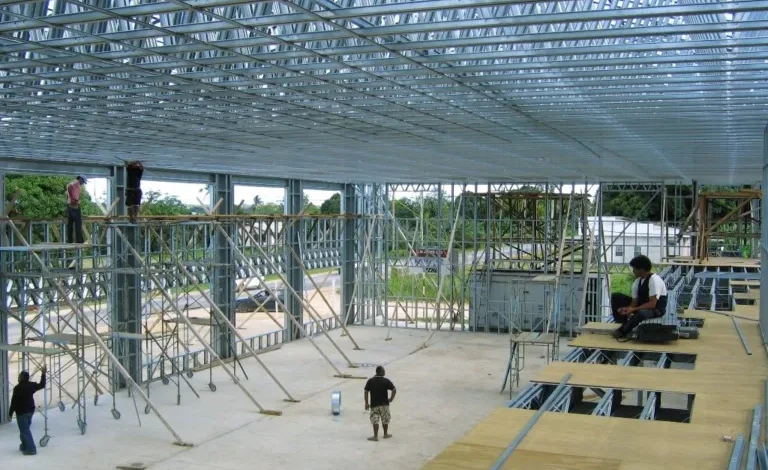
Steel construction is becoming more common in residential and commercial projects. Many builders and homeowners are now choosing steel over traditional timber due to its strength and long term performance. To understand this shift, it is important to know how steel frame installation works and why steel frame systems are widely used in modern construction.
This guide explains steel frame buildings, steel frame homes, and the installation process in a clear and simple way.
What Are Steel Frame Systems
Steel frame systems use cold formed steel sections to create the structural skeleton of a building. These frames replace traditional timber framing and are designed to support walls, roofs, and floors.
Steel frame systems are manufactured with precision, which allows accurate assembly on site. The components are cut to size and designed to fit together smoothly, reducing material waste and construction errors.
These systems are used in houses, apartments, warehouses, commercial buildings, and industrial facilities.
How Steel Frame Installation Works
Steel frame installation follows a planned and methodical process. The steps may vary depending on project size, but the core stages remain similar.
The process begins with preparing the foundation. Accurate measurements are critical because steel frames require precise alignment.
Once the base is ready, wall frames are positioned and fixed in place. These frames are usually lightweight, making them easier to handle compared to heavy timber sections.
After wall frames, roof trusses or roof frames are installed. Steel frame installation allows faster construction because components are pre engineered and require minimal on site modification.
Finally, bracing and fixings are added to ensure structural stability.
Steel Frame Buildings Versus Traditional Construction
Steel frame buildings offer several advantages over conventional timber structures.
Steel does not warp, twist, or shrink over time. This results in straighter walls and better structural consistency throughout the building’s life.
Steel frame systems are also non combustible, which improves fire safety in steel frame buildings. This feature is particularly important for multi storey and commercial projects.
Another benefit is resistance to termites and pests, which can cause serious damage in timber structures.
Why Steel Frame Homes Are Growing in Popularity
Steel frame homes are increasingly popular for residential construction. Homeowners value durability, safety, and long term performance.
Because steel frames are manufactured in controlled environments, steel frame homes often have fewer construction delays caused by weather conditions.
The strength of steel also allows for flexible designs, open layouts, and larger spans without the need for bulky support columns.
Steel frame homes are compatible with modern insulation, cladding, and energy efficient building methods.
Durability and Longevity of Steel Frame Systems
Steel frame systems are designed to last for decades with minimal maintenance. Steel does not rot or absorb moisture like timber.
Galvanised coatings protect steel frames from corrosion, making them suitable for various climates and environments.
This durability makes steel frame buildings a reliable option for long term use, whether for residential or commercial purposes.
Sustainability and Environmental Benefits
Steel is one of the most recyclable building materials in the world. Steel frame systems often contain recycled content and can be recycled again at the end of their life cycle.
Steel frame installation produces less on site waste due to precise manufacturing. This helps reduce the environmental impact of construction projects.
Efficient framing also supports better insulation performance, contributing to energy efficient buildings.
Is Steel Frame Construction Right for Your Project
Steel frame buildings suit a wide range of applications, from homes to large scale developments. Steel frame installation offers speed, accuracy, and consistent quality.
Understanding how steel frame systems work helps builders and property owners make informed construction decisions.
As construction standards evolve, steel frame homes and buildings continue to set benchmarks for strength, safety, and sustainability.