
Inadequate electrical supply to your electronics can create an issue in a residential or commercial setting. If your business loses electric service, you may lose data and your equipment may no longer operate as designed because it requires a power source. Now, that’s where a UPS system plays a significant role.
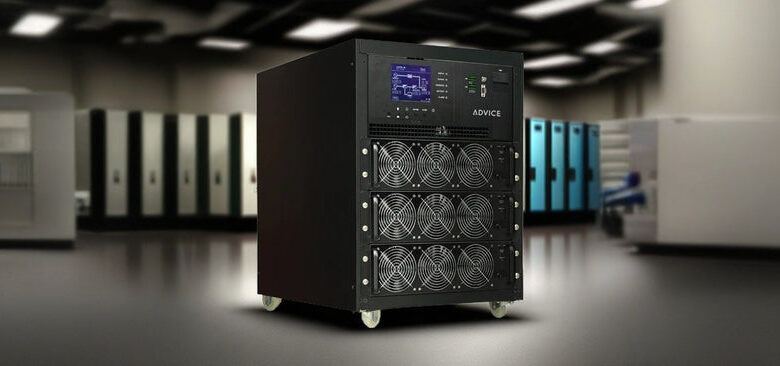
An Uninterruptible Power Supply is a device that will ensure continuous power to your electronic devices in the event of a power failure and also protect your devices from electrical interference due to voltage spikes. As a result, your UPS will provide you with uninterrupted power to allow you to continue operating in an efficient and safe manner.
What is an Uninterruptible Power Supply?
An Uninterruptible Power Supply is an appliance that provides power during an electrical failure. It provides immediate power backup from its own batteries, unlike generator sets, which take time to start. Therefore, UPS systems allow you to keep operating or safely shut down devices like computers, networking devices, and security equipment when you lose utility power.
Three types of battery backup solutions exist on the market for the different power protection requirements of customers.
The least expensive type of UPS is called an offline or standby system. During normal operating conditions, it provides power to the load directly through the main power. When there is a power loss, it will switch over to the battery for backup power.
A line interactive UPS system, in contrast, has a voltage regulator built into the system that enables the surge protector to regulate small fluctuations in power without switching over to battery power, resulting in a more efficient solution.
3. Online or Double Conversion
Online UPS systems offer the greatest level of backup protection by continually converting incoming alternating current (AC) to direct current (DC) and back to AC, producing a stable and clean AC output. Generally, online battery backup systems are used for applications like data centres, medical facilities, and other critical infrastructures that cannot tolerate a brief moment of power interruption.
Benefits of Using an Uninterruptible Power Supply System
There is a whole list of reasons to install a UPS. Some of the benefits of using the battery backup system include:
Backup Power During Power Outage
UPS main use is that they provide you with a source of power automatically, as soon as the main electrical supply fails. This allows your devices to continue to operate while the mains supply is interrupted.
Protection Against Fluctuations in Voltage
Battery backup systems work to stabilize and regulate voltage levels while also protecting delicate electrical equipment from damage due to spikes and dips in voltage levels.
A UPS system will enable computers and servers to have enough time to save data before shutting them down in a safe, correct manner, so that the data is not corrupted by the interruption in power.
The stable supply of electrical power supplied by a UPS helps to decrease the stress placed on electrical devices due to electrical surges. It will lead to a longer lifetime for your electrical devices.
Choosing the Correct UPS Power Supply
Choosing the appropriate Uninterruptible Power Supply depends on your power needs and how you intend to use it.
● Power Capacity
● Battery Backup Time
● Number of Outlets
● Brand Reliability and Warranty
If you have experienced an unexpected loss of power, you understand the importance of an uninterruptible power supply for your business. A correctly sized, configured, and maintained UPS will enable you to reliably and consistently operate your equipment, avoid losing data, and increase your equipment’s lifespan by maintaining stable voltage.