
A homeowner decides to upgrade their roof after dealing with repeated leaks and rising maintenance costs. New materials are installed, the exterior looks refreshed, and the immediate problem appears solved. Yet within months, ceiling cracks reappear, and moisture stains begin to spread again. The issue was not the roofing materials. It was the structure beneath them.
Major roofing upgrades are significant investments. They protect the building envelope, improve energy efficiency, and enhance property value. However, replacing surface materials without first understanding the condition of the supporting structure can lead to repeated failures, unnecessary expense, and ongoing damage. A structural assessment before roofing work begins is not an optional extra. It is a critical step in protecting both the property and the investment.
Why Roofing Problems Often Signal Deeper Structural Concerns
Roofing issues rarely exist in isolation. A visible leak or broken tile may only be a symptom of a broader structural problem. Persistent leaks can indicate failing underlay, damaged battens, or compromised roof framing. Sagging rooflines may suggest weakened trusses or long-term moisture intrusion. Water stains on ceilings can reflect ventilation failures or structural movement.
In Australian conditions, roofing systems are exposed to intense sun, heavy rainfall, strong winds and, in some regions, coastal salt air. Over time, these elements place stress not just on tiles or metal sheets but also on the structural components beneath. Timber rot, corrosion of fixings, and gradual settlement can all affect the roof’s performance.
If these underlying issues are not identified before a major upgrade, new materials may be installed over weakened supports. This can lead to ongoing movement, further cracking, and eventual failure of the new system. What appears to be a simple roofing problem is a structural one that requires careful evaluation.
The Role of a Professional Property Assessment Before Roofing Work
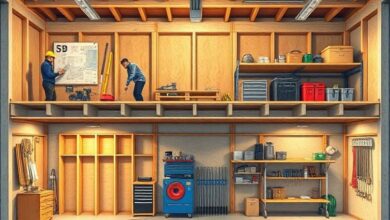
Before any significant roofing upgrade begins, a detailed Building Inspection should be carried out by a qualified professional. This assessment examines the structural integrity of the roof frame, trusses, battens, and supporting walls. It also reviews signs of moisture damage, pest activity, ventilation issues, and load distribution concerns.
A structural assessment helps answer critical questions. Are the existing trusses capable of supporting new materials? Has water intrusion weakened timber components? Is there evidence of long-term movement or stress cracks in load-bearing elements? Are there compliance issues that need to be addressed?
Identifying these issues early allows property owners to make informed decisions. Structural repairs can be completed before new roofing materials are installed, reducing the risk of repeat problems. It also ensures that warranties on new materials remain valid, as many manufacturers require proper substrate preparation and structural suitability.
By addressing underlying weaknesses first, property owners avoid installing a new roof onto an unstable foundation.
How Skilled Roofing Specialists Support Long-Term Performance
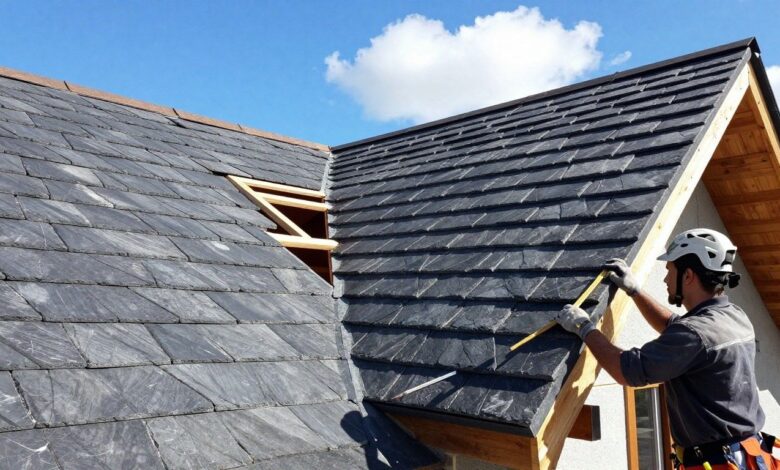
Once structural integrity has been confirmed, experienced re roofers play a vital role in ensuring the roofing system performs effectively over time. Professional roofing specialists do more than replace tiles or metal sheets. They assess drainage pathways, flashing details, ventilation flow, insulation placement, and material compatibility with the existing structure.
Proper flashing installation prevents water penetration at joints and transitions. Adequate ventilation reduces condensation build-up within roof cavities. Correctly aligned drainage systems ensure rainwater flows away efficiently, preventing pooling and long-term damage.
When roofing work is guided by prior structural assessment, roofing specialists can tailor their approach to the property’s specific condition. This coordinated process reduces the likelihood of future leaks, structural stress, or premature deterioration.
Financial Risks of Skipping Structural Evaluation
Ignoring structural checks before a major roofing upgrade can lead to significant financial consequences. If weakened trusses or framing are discovered after installation, sections of the new roof may need to be removed to complete repairs. This results in double labour costs and material wastage.
Premature material deterioration is another risk. Movement in underlying supports can crack tiles, loosen fastenings, and distort metal sheets. Water intrusion may continue despite new materials, leading to internal damage, mould growth, and electrical hazards.
Insurance complications may also arise if structural issues were not addressed before installation. In some cases, warranty claims can be rejected if it is determined that the roof was installed over an unsuitable or compromised structure.
Investing in a thorough structural assessment at the outset is far more cost-effective than rectifying problems after installation.
Warning Signs Property Owners Should Not Ignore
There are several indicators that suggest a structural assessment is necessary before proceeding with roofing work. Internal damp patches on ceilings often signal more than surface leakage. Ceiling sagging may indicate long-term moisture exposure or weakened framing.
Cracked cornices and wall joints can reflect structural movement affecting roof supports. Rusted flashing and blocked gutters may allow water to penetrate structural components. Visible dips or uneven sections along the roofline can point to compromised trusses or settlement.
If any of these warning signs are present, a structural assessment becomes even more critical. Addressing these concerns before upgrading the roof helps ensure that new materials are installed on a stable and secure framework.
Strengthening the Entire Property, Not Just the Surface
A roofing upgrade should enhance the durability and performance of the entire building envelope. Simply replacing external materials without assessing the supporting structure can mask deeper problems rather than solve them.
A professional structural evaluation combined with skilled installation provides long-term protection. It ensures that the new roof is supported by sound framing, appropriate ventilation, and secure load distribution. This integrated approach protects property value, improves safety, and reduces the likelihood of future repairs.
Before investing in any major roofing upgrade, property owners should prioritise understanding what lies beneath. A strong roof begins with a strong structure.
FAQs
1. Do I really need a structural assessment before upgrading my roof?
Yes. Even if visible damage appears minor, underlying structural weaknesses can affect the performance of new materials. A professional assessment identifies hidden risks before installation begins.
2. What does a building inspection cover in relation to roofing?
A structural assessment typically reviews roof framing, trusses, battens, moisture damage, ventilation, and any signs of movement or pest activity that could impact roofing performance.
3. Can new roofing materials be installed over existing structural issues?
While it may be technically possible, it is not advisable. Installing new materials over compromised framing increases the risk of premature failure and ongoing leaks.
4. How do I know if my roof structure has been affected by moisture?
Signs include sagging ceilings, persistent damp patches, mould growth, timber discolouration, and soft or weakened framing in the roof cavity.
5. Will addressing structural issues increase the overall project cost?
It may add to the initial cost, but it significantly reduces the risk of repeat repairs, material failure, and internal damage. In the long term, it is a financially sound decision.
6. Are structural checks necessary for both tile and metal roofing systems?
Yes. Regardless of the material, the underlying structure must be capable of supporting the roofing system and withstanding environmental conditions.