
Introduction
The way people compute has changed dramatically over the past decade. Workflows are increasingly digital, spaces are getting smaller, and users expect powerful performance without bulky hardware or excessive energy use. In this environment, compact desktop systems have moved from niche products to mainstream solutions. Once seen as underpowered alternatives, these small-form-factor machines now deliver impressive capabilities for work, entertainment, and even specialized professional tasks.
This article explores why compact desktop systems are rapidly becoming the preferred choice for modern computing and what factors are driving their widespread adoption.
Powerful Performance in a Compact Form
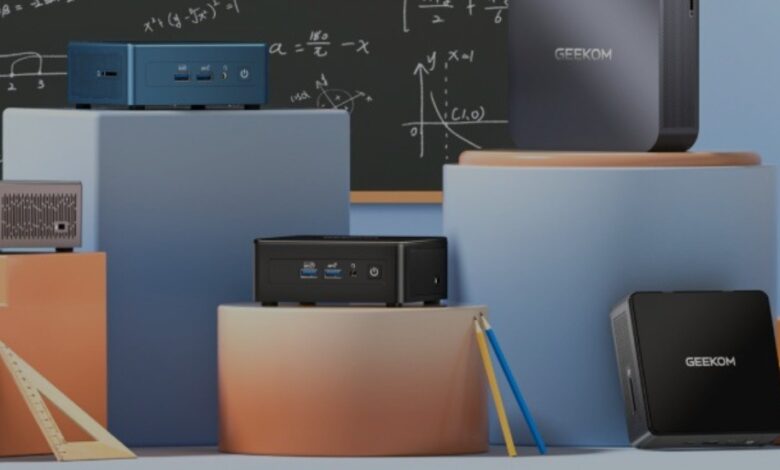
One of the most significant reasons compact desktops are gaining popularity is their ability to deliver strong performance despite their small size. Advances in processor design, solid-state storage, and integrated graphics have closed the gap between traditional towers and compact systems. Manufacturers such as Geekom have demonstrated that careful engineering and efficient thermal design can pack serious computing power into a device that fits in the palm of your hand.
These systems now handle everyday tasks like web browsing, office productivity, video conferencing, and media streaming with ease. Many configurations are also capable of light content creation, software development, and multitasking workloads. For users who do not require high-end gaming graphics or heavy workstation-level processing, compact desktops offer more than enough power without the physical footprint of a full-sized PC.
Space Efficiency for Modern Lifestyles
As homes and offices evolve, space has become a premium resource. Open-plan apartments, minimalist workspaces, and hybrid work environments all favor hardware that blends seamlessly into the surroundings. Compact desktops are designed with this reality in mind.
Their small size allows them to be mounted behind monitors, placed discreetly on shelves, or tucked away in entertainment centers. This flexibility is especially valuable in shared spaces, classrooms, and offices where clutter can reduce productivity. By minimizing desk congestion, compact systems contribute to cleaner, more organized environments that support focus and efficiency.
Energy Efficiency and Quiet Operation
Energy efficiency is no longer just an environmental concern; it is also a practical consideration for individuals and businesses looking to reduce operating costs. Compact desktop systems typically consume far less power than traditional towers, thanks to energy-efficient processors and solid-state components.
Lower power consumption translates into less heat generation, which in turn allows for quieter cooling solutions. Many compact systems operate almost silently during normal use, making them ideal for home offices, libraries, and creative studios where noise can be distracting. Over time, reduced energy usage can also result in noticeable savings on electricity bills, particularly in multi-system deployments.
Versatility Across Use Cases
The true strength of a mini PC lies in its versatility. These systems are no longer limited to basic computing tasks; they are now used across a wide range of scenarios. In homes, they serve as media centers, handling high-resolution streaming and digital entertainment. In offices, they power productivity suites, collaboration tools, and cloud-based applications. In commercial environments, they are deployed for digital signage, kiosks, and point-of-sale systems.
Their adaptability is enhanced by modern connectivity options, including multiple display outputs, high-speed USB ports, and wireless networking. This allows a single compact system to support diverse setups, from multi-monitor workstations to specialized embedded applications.
Cost-Effective Computing Without Compromise
Affordability is another factor driving the rise of compact desktops. Compared to traditional desktop towers with similar performance levels, compact systems often come at a lower total cost. Savings stem from reduced material usage, lower power requirements, and simplified designs.
For businesses, this cost-effectiveness is particularly attractive. Deploying compact desktops can reduce not only upfront hardware expenses but also long-term costs related to energy consumption, maintenance, and space utilization. For individual users, the balance between price and performance makes these systems an appealing alternative to both bulky desktops and higher-priced laptops.
Sustainability and Future-Ready Design
Sustainability is becoming a core consideration in technology purchasing decisions. Compact desktops align well with this trend due to their efficient use of materials and energy. Smaller devices require fewer raw resources to manufacture and generate less electronic waste over time.
Additionally, many modern compact systems are designed with upgradability in mind. Users can often expand memory or storage to extend the system’s lifespan, reducing the need for frequent replacements. This future-ready approach supports more sustainable consumption patterns while ensuring that users can adapt their systems as needs evolve.
Conclusion
Compact desktop systems have evolved from simple, low-power machines into capable, versatile computing solutions that meet the demands of modern users. Their combination of strong performance, space efficiency, energy savings, and affordability makes them well suited for today’s flexible work and living environments. As technology continues to advance and priorities shift toward efficiency and sustainability, it is clear why these compact systems are becoming the go-to choice for modern computing.