

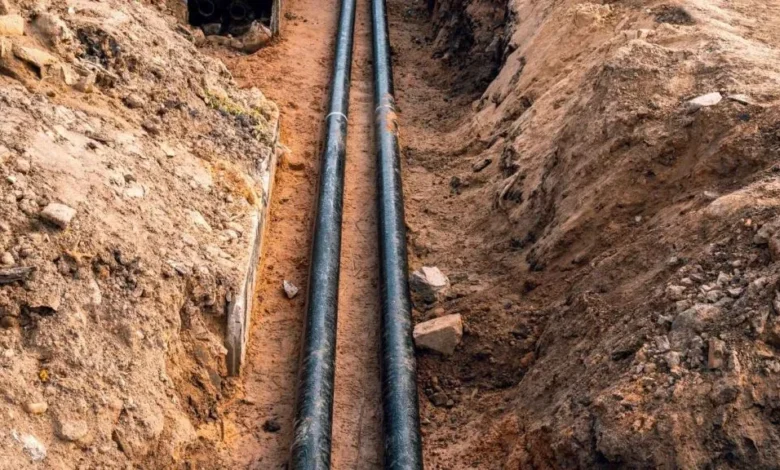
When underground pipes fail, the immediate assumption is often that they need to be dug up and replaced. For decades, excavation was the standard solution for cracked, leaking, or blocked pipes. However, modern technology has introduced a more efficient and less disruptive method. Today, pipe relining is widely regarded as a smarter alternative to traditional pipe replacement for many residential and commercial properties.
Instead of removing damaged pipes entirely, relining restores them from within—saving time, money, and unnecessary disruption.
Minimal Disruption to Property
One of the biggest drawbacks of traditional pipe replacement is excavation. Digging trenches through gardens, driveways, tiled floors, or concrete slabs can create significant mess and inconvenience. After the plumbing work is complete, additional repairs are often required to restore the affected areas.
Relining avoids this extensive digging. By accessing the pipe through existing entry points, technicians can complete repairs internally. This preserves landscaping, flooring, and structural features, making it far less intrusive.
Faster Project Completion
Excavation projects can stretch over several days or even weeks, depending on the size and complexity of the system. Relining is generally completed in a shorter timeframe because it eliminates the need for large-scale groundworks.
For homeowners, this means less interruption to daily routines. For businesses, it reduces downtime and allows operations to continue with minimal disruption.
Long-Lasting Structural Strength
Relining does more than simply patch a crack. The process involves inserting a resin-coated liner into the damaged pipe, which is then cured to create a new, seamless inner wall. This effectively forms a pipe within a pipe.
The cured lining is resistant to corrosion, leaks, and root intrusion. In many cases, relined pipes are designed to last for decades, providing durability comparable to new pipe installations.
Cost-Effective Over Time
While the upfront cost of relining can be similar to replacement in some cases, the overall expense is often lower when considering restoration work. Excavation frequently involves repairing landscaping, paving, walls, or flooring after the pipe has been replaced.
By avoiding these additional costs, relining can offer better long-term value. The reduced likelihood of recurring issues also means fewer repair bills in the future.
Improved Flow and Performance
Old pipes can become rough and uneven due to corrosion or damage. The smooth inner surface created during relining improves water flow and reduces the chance of recurring blockages.
Enhanced flow efficiency supports better overall plumbing performance, particularly in drainage systems that previously struggled with slow or restricted movement.
Environmentally Responsible Solution
Relining is considered a more sustainable option because it preserves the existing pipe structure rather than removing and discarding it. This reduces material waste and minimises soil disturbance.
By extending the life of current infrastructure, relining supports a more environmentally conscious approach to plumbing repairs.
Suitable for a Wide Range of Issues
From small cracks and joint separations to root damage and minor structural weaknesses, relining can address many common pipe problems. Advanced camera inspections ensure precise diagnosis and targeted repairs.
However, severely collapsed pipes may still require replacement, which is why professional assessment is essential before deciding on the best method.
Final Thoughts
Pipe relining stands out as a smarter alternative to traditional pipe replacement due to its efficiency, durability, and minimal disruption. By restoring pipes internally without excavation, this modern method protects property, reduces downtime, and delivers long-term reliability. For many property owners facing plumbing issues, relining provides a practical and forward-thinking repair solution.