
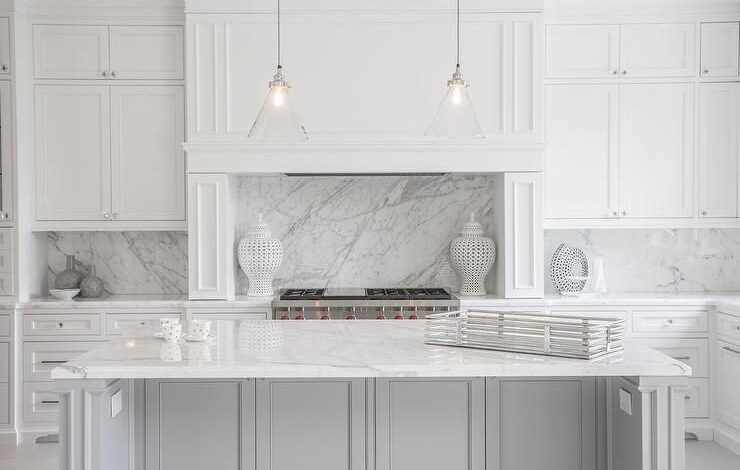
Marble has long been associated with luxury kitchens. Walk into almost any stone showroom, and you will see large slabs of marble displayed under perfect lighting, their veining and soft tones immediately capturing attention. For many homeowners planning a renovation, choosing a marble stone benchtop feels like the ultimate design upgrade.
But the experience of living with marble can be very different from admiring it in a showroom. The gap between visual appeal and daily kitchen use is where regret often begins. Marble looks extraordinary when it is first installed, but real kitchens involve spills, heat, heavy cookware, and constant activity. Over time, these everyday habits can affect marble far more than most homeowners expect.
Understanding why this happens and how professionals approach stone selection differently can help prevent one of the most common renovation regrets.
The Showroom vs Real-Life Kitchen Use
In a showroom environment, marble is presented in ideal conditions. The stone is perfectly polished, carefully lit, and untouched by daily wear. It appears flawless and durable, making it easy to imagine how beautiful it would look in your home.
However, the conditions in a working kitchen are very different. A kitchen is a high-traffic environment where surfaces are exposed to food preparation, spills, heat, cleaning products, and heavy utensils. A stone surface that performs well in a decorative setting may behave differently under these demands.
Marble is a natural stone formed primarily from calcite. While visually stunning, it is also relatively porous and softer compared to some other natural stones used in kitchens. This difference is rarely emphasised during the design stage. Instead, many homeowners focus primarily on appearance and assume all natural stone surfaces behave similarly. That assumption often leads to disappointment once the kitchen begins to see regular use.
Why Marble Is Often Marketed on Aesthetics
Marble’s popularity is largely driven by its visual qualities. The stone’s natural veining, subtle colour variations, and ability to reflect light make it one of the most elegant materials available for kitchen surfaces.
Designers frequently use marble in show kitchens and luxury interiors because it creates an immediate impression of sophistication. However, the physical properties of marble are very different from those of harder stones such as granite or quartzite. Marble is softer and more susceptible to scratching, etching, and staining.
Because marble is porous, liquids can penetrate the surface if spills are not cleaned quickly. Even with sealing treatments, the stone is not completely stain-proof. Substances such as wine, oil, coffee, or acidic foods can leave marks that are difficult to remove.
These characteristics do not mean marble is a poor material in every setting, but they do mean it behaves differently from what many homeowners expect. When people choose a marble stone benchtop purely for its appearance without understanding these limitations, regret often follows.
Daily Cooking Habits That Conflict with Marble
The real challenge with marble appears once everyday kitchen routines begin. Cooking habits often involve ingredients that react with marble’s mineral structure. Acidic foods such as lemon juice, vinegar, tomato sauce, and wine can cause etching, a chemical reaction that dulls the polished surface and leaves pale marks.
Unlike stains, etching affects the surface finish of the stone itself. This means it cannot simply be wiped away. Busy kitchens also involve constant movement of cookware, chopping boards, appliances, and utensils. Because marble is softer than many other stones, it can be scratched more easily under these conditions.
Even small everyday actions, like sliding a heavy pot across the counter, can leave subtle marks over time. Another common issue involves spills that are not immediately cleaned. Coffee, turmeric, oils, and sauces can penetrate the porous surface and create permanent discolouration if left for too long. These effects accumulate gradually. What begins as a few small marks can eventually change the overall appearance of the benchtop.
When Stone Choice Doesn’t Match Kitchen Lifestyle
One of the most overlooked factors in kitchen design is lifestyle. Different households use their kitchens very differently. Some kitchens function mainly as occasional cooking spaces, while others operate as busy family hubs with constant activity.
Marble can work well in low-traffic kitchens where cooking is minimal, and surfaces are carefully maintained. However, in highly active kitchens, especially those with frequent cooking, children, or heavy appliance use, the stone can show wear much more quickly. This mismatch between lifestyle and material choice is a major reason homeowners regret installing a marble stone benchtop.
The issue is not necessarily the stone itself but whether the material suits the way the kitchen is actually used. Stone surfaces should ideally be selected based on durability, maintenance requirements, and household habits, not just appearance.
The Long-Term Cost of Ignoring Early Damage
When small marks first appear on marble, many homeowners assume they can be easily repaired. However, restoring marble surfaces can be more complex than expected.
Stains that penetrate the stone often require specialised cleaning treatments or professional restoration. Etching marks may need to be polished or honed by stone specialists to restore the finish. Over time, repeated repairs can become expensive.
In some cases, homeowners eventually replace the benchtop entirely because the accumulated damage affects the kitchen’s appearance. This is particularly frustrating because marble is often one of the most expensive materials used in kitchen renovations. Installation costs can range widely depending on the slab and fabrication complexity. Replacing a damaged surface prematurely adds high cost to what was intended to be a long-term investment.
How Professionals Approach Stone Selection
Experienced stone suppliers and designers typically approach kitchen surfaces differently from homeowners, choosing purely by appearance. Instead of asking which stone looks best, professionals often start by asking how the kitchen will actually be used.
Important considerations include:
• How often the household cooks
• Whether acidic ingredients are used frequently
• Whether the kitchen sees heavy daily traffic
• Whether the homeowner is comfortable with regular maintenance
These factors help determine whether marble is suitable for the space or whether a more durable stone would perform better. In many cases, professionals recommend alternative materials that provide similar visual appeal with greater durability. This approach ensures the selected surface matches the lifestyle of the household rather than just the design vision.
Questions to Ask Before Choosing Any Stone Surface
Choosing the right stone surface requires asking a few practical questions before committing to any material.
- First, ask about porosity and maintenance. Some stones require frequent sealing and careful cleaning routines to maintain their appearance.
- Second, ask how the stone reacts to acidic foods and common kitchen ingredients.
- Third, ask how easily the surface scratches or chips under everyday use.
- Fourth, consider the long-term maintenance costs. Some stones require periodic professional refinishing to keep them looking their best.
- Finally, ask whether the material suits the level of activity in your kitchen.
These questions help ensure that the chosen stone surface will perform well in real life—not just in a showroom.
Conclusion
Marble remains one of the most beautiful natural stones available for kitchen design. Its veining, colour variations, and timeless aesthetic have made it a symbol of luxury for centuries.
However, beauty alone does not determine whether a material will perform well in a working kitchen. The reason so many homeowners regret choosing marble is the mismatch between expectations and reality. Marble is porous, relatively soft, and sensitive to acidic substances, which means it requires careful maintenance in busy kitchens.
When homeowners choose a marble stone benchtop without fully understanding these characteristics, the result can be ongoing frustration and costly repairs. The best way to avoid this regret is simple: match the stone to the way the kitchen will actually be used. When the material suits the lifestyle of the household, the kitchen remains beautiful and functional for years to come.
FAQs
1. Is marble a good material for kitchen benchtops?
Marble can work well in kitchens with light use, but its porous and relatively soft nature means it requires careful maintenance and may not suit very busy kitchens.
2. Why does marble stain so easily?
Marble is naturally porous, meaning liquids such as oil, wine, and coffee can penetrate the surface if spills are not cleaned quickly.
3. What is etching on marble surfaces?
Etching occurs when acidic substances like lemon juice or vinegar react with the stone and dull the polished finish.
4. Does sealing marble prevent damage?
Sealing helps reduce absorption but does not make marble completely stain-proof.
5. What alternatives look similar to marble but are more durable?
Materials such as quartzite, porcelain slabs, or engineered quartz often provide a similar appearance with greater resistance to stains and scratches.